
## Introduction
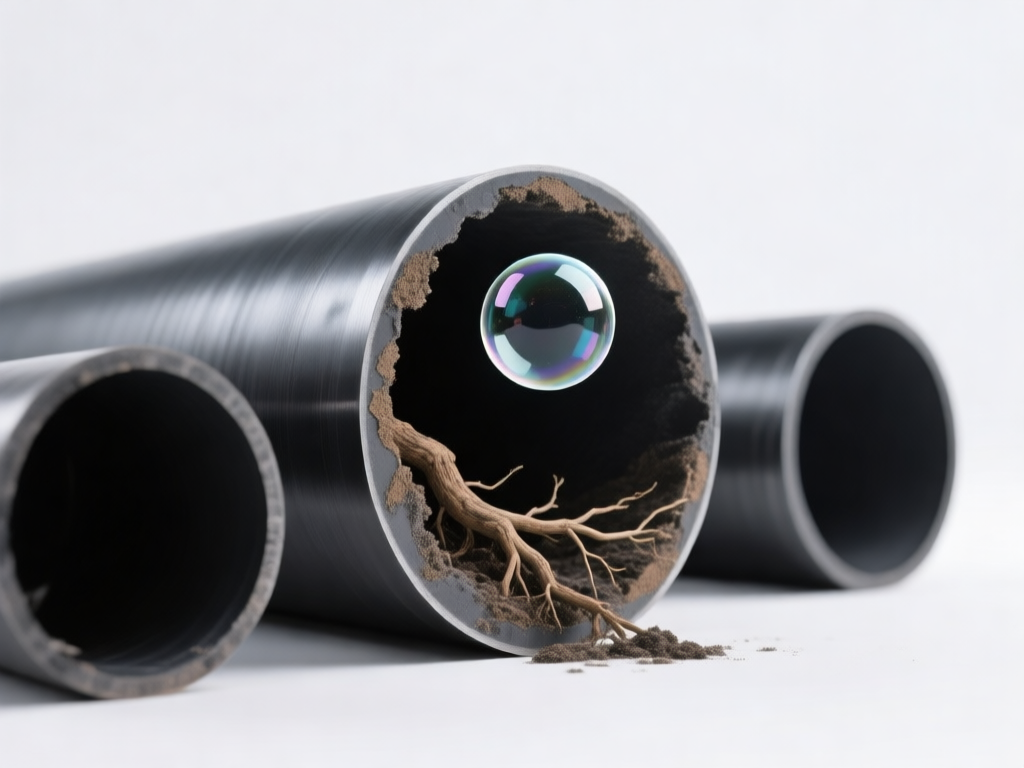
Coated carbon tubes are essential components in industries ranging from aerospace to chemical processing, where their combination of lightweight strength and corrosion resistance is critical. However, surface bubble defects—small raised blisters on the coating—can compromise performance, leading to premature failure and costly downtime. Understanding the root causes of these defects is the first step toward effective prevention. This article delves into the mechanisms behind surface bubbles in coated carbon tubes and provides actionable preventive measures to ensure product reliability.
## Understanding Surface Bubble Defects
Surface bubbles appear as localized raised areas on the coating surface. They can vary in size from microscopic to several millimeters and may occur singly or in clusters. These defects not only affect aesthetics but also indicate poor adhesion or trapped volatiles, which can lead to coating delamination and substrate corrosion.
## Root Causes of Surface Bubble Defects
### 1. Substrate Contamination
Carbon tubes often have residual oils, greases, or dust from machining and handling. If not thoroughly cleaned, these contaminants vaporize during coating curing, creating gas pockets that form bubbles.
### 2. Moisture and Volatiles
Moisture on the substrate or in the coating formulation can turn to steam during high-temperature curing. Additionally, solvents or other volatiles trapped in the coating may not escape properly, leading to bubble formation.
### 3. Improper Coating Application
Incorrect spray parameters, such as too high a flow rate or incorrect gun distance, can trap air in the coating. Similarly, dipping processes may introduce air if withdrawal speeds are not optimized.
### 4. Curing Process Issues
Rapid heating or uneven temperature distribution can cause the coating surface to skin over before volatiles escape. This traps gases beneath the surface, resulting in bubbles.
### 5. Coating Formulation Problems
Incompatible solvents or incorrect catalyst ratios can lead to premature gelation or excessive gas generation during curing. High pigment-to-binder ratios may also increase the likelihood of bubbles.
### 6. Environmental Factors
High humidity in the application area can introduce moisture into the coating. Dust or airborne particles can also act as nucleation sites for bubbles.
## Preventive Measures
### 1. Rigorous Substrate Preparation
Implement a multi-stage cleaning process: degreasing with solvents or alkaline cleaners, followed by mechanical abrasion or grit blasting, and a final rinse with deionized water. Ensure the surface is completely dry before coating.
### 2. Control of Moisture and Volatiles
Store carbon tubes in a dry environment. Pre-bake substrates to remove moisture. Use coating formulations with appropriate solvents that evaporate at controlled rates. Consider vacuum degassing of the coating before application.
### 3. Optimized Application Techniques
Calibrate spray equipment regularly. Maintain recommended gun distance, pressure, and flow rates. For dip coating, control withdrawal speed and use vibration or ultrasonic agitation to release air bubbles.
### 4. Controlled Curing
Use a stepped curing profile: start with a low-temperature flash-off to allow volatiles to escape, then gradually ramp up to the final curing temperature. Ensure uniform heating with proper oven design and airflow.
### 5. Coating Formulation Adjustments
Work with suppliers to select coatings with low volatile content and appropriate rheology. Avoid excessive thickeners or pigments that can trap air. Use defoamers or bubble-release agents when necessary.
### 6. Environmental Control
Maintain a clean, climate-controlled application area. Keep humidity below 60% and temperature within recommended ranges. Use filtration systems to remove airborne particles.
### 7. Quality Control and Testing
Implement regular inspection for bubbles using visual, microscopic, or ultrasonic methods. Perform adhesion tests and cure checks to ensure process consistency. Use statistical process control to monitor and adjust parameters.
## Conclusion
Surface bubble defects in coated carbon tubes are a common but preventable issue. By addressing root causes such as contamination, moisture, application errors, and curing problems, manufacturers can significantly reduce defect rates. A comprehensive approach that includes rigorous substrate preparation, optimized application and curing, and strict environmental control will enhance coating quality, extend tube life, and reduce costs. Continuous monitoring and improvement are key to maintaining high standards in coated carbon tube production.