
## Introduction
Carbon fiber tubes are prized for their high strength-to-weight ratio and stiffness, making them essential in aerospace, automotive, sporting goods, and industrial applications. However, a common issue that arises upon delivery is uneven surface weave texture—a defect that compromises both aesthetics and structural integrity. This article provides a comprehensive guide for manufacturers and quality control teams on how to prevent, identify, and address these defects during the receiving process.
## Understanding Uneven Surface Weave Texture
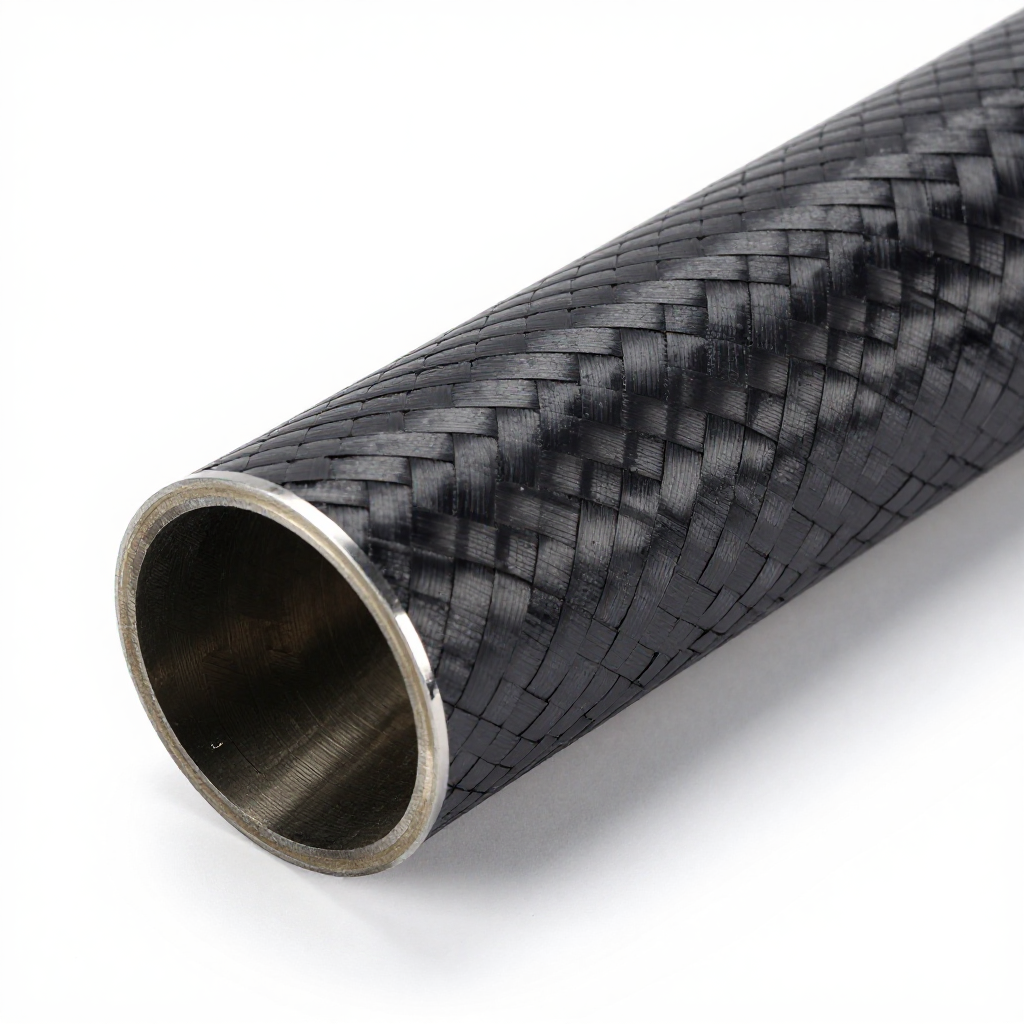
Uneven surface weave texture refers to irregularities in the carbon fiber fabric pattern on the tube’s surface. This can manifest as waviness, gaps, overlaps, or resin-rich or resin-starved areas. Such defects often indicate underlying issues like fiber misalignment, improper curing, or inconsistent resin distribution during manufacturing. While some variation is normal, significant unevenness can reduce mechanical properties and signal poor quality.
## Root Causes of Weave Texture Defects
To avoid defects, it’s crucial to understand their origins:
– **Manufacturing inconsistencies**: Variations in filament tension, weaving parameters, or resin application can lead to uneven texture.
– **Improper handling during shipping**: Excessive vibration, compression, or impact can distort the weave, especially if tubes are not adequately supported.
– **Environmental factors**: Humidity and temperature fluctuations during transit can cause resin to soften or cure unevenly, affecting surface finish.
– **Packaging issues**: Inadequate cushioning or improper stacking can create pressure points that deform the tube surface.
## Pre-Shipment Preparation: Setting the Stage for Success
Prevention starts before the shipment arrives. Collaborate with suppliers to establish clear quality standards and inspection criteria. Request that tubes be individually wrapped or separated with foam to prevent contact. Ensure that packaging includes desiccants to control moisture and that tubes are secured to minimize movement. Additionally, agree on acceptable weave tolerance levels and request documentation of quality checks.
## Receiving Inspection Protocol: A Step-by-Step Guide
Upon delivery, implement a rigorous inspection process:
1. **Visual inspection**: Under adequate lighting, examine the entire surface for obvious irregularities, such as waviness, gaps, or resin pooling.
2. **Tactile inspection**: Run a gloved hand along the tube to detect subtle texture variations that may not be visible.
3. **Measurement**: Use a surface profilometer or a calibrated straightedge to quantify deviations. Compare readings against specified tolerances.
4. **Documentation**: Record findings with photographs and measurements. This helps in claims and supplier feedback.
## Handling and Unpacking Best Practices
Proper handling minimizes the risk of introducing defects:
– **Unpack carefully**: Use sharp tools to cut straps or film without scoring the tube surface.
– **Support the tube**: Always lift and carry tubes horizontally with multiple support points to avoid bending or twisting.
– **Avoid contact**: Do not stack tubes directly on each other without protective layers.
– **Control environment**: Move tubes to a clean, dry, temperature-controlled area promptly to prevent moisture absorption or thermal stress.
## Storage and Handling After Receiving
Once accepted, proper storage prevents future defects:
– **Horizontal storage**: Store tubes on racks with padded supports spaced evenly to prevent sagging.
– **Climate control**: Maintain stable temperature and humidity (typically 20-25°C and 40-60% RH) to avoid resin degradation.
– **Rotation**: If tubes are stored for long periods, rotate them periodically to prevent flat spots.
– **Protection**: Keep tubes covered or in sealed bags to shield from dust and UV light.
## Quality Control and Documentation
Effective quality control involves continuous monitoring:
– **Incoming inspection records**: Maintain a log of all received tubes, including batch numbers, inspection results, and any defects.
– **Supplier performance tracking**: Analyze defect rates to identify recurring issues and address them with suppliers.
– **Standard operating procedures**: Develop and enforce SOPs for receiving, handling, and storage to ensure consistency.
– **Training**: Ensure all personnel are trained to recognize weave defects and follow proper handling protocols.
## When Defects Are Found: Corrective Actions
If defects are detected, take immediate action:
– **Isolate affected tubes**: Separate them from acceptable inventory to prevent accidental use.
– **Document and report**: Notify the supplier with detailed evidence and request a disposition (return, replacement, or credit).
– **Investigate root cause**: Determine if the defect is isolated or systemic, and adjust receiving procedures if needed.
– **Consider rework**: In some cases, minor surface imperfections can be sanded and re-coated, but this should only be done if structural integrity is not compromised.
## Conclusion
Avoiding uneven surface weave texture defects in carbon tube shipments requires a proactive approach that spans pre-shipment planning, careful receiving inspection, and proper storage. By understanding the root causes, implementing a detailed inspection protocol, and maintaining rigorous handling standards, manufacturers can significantly reduce the incidence of these defects, ensuring that only high-quality carbon tubes enter their production lines. Consistent quality control not only protects product performance but also strengthens supplier relationships and reduces waste.