
## Introduction
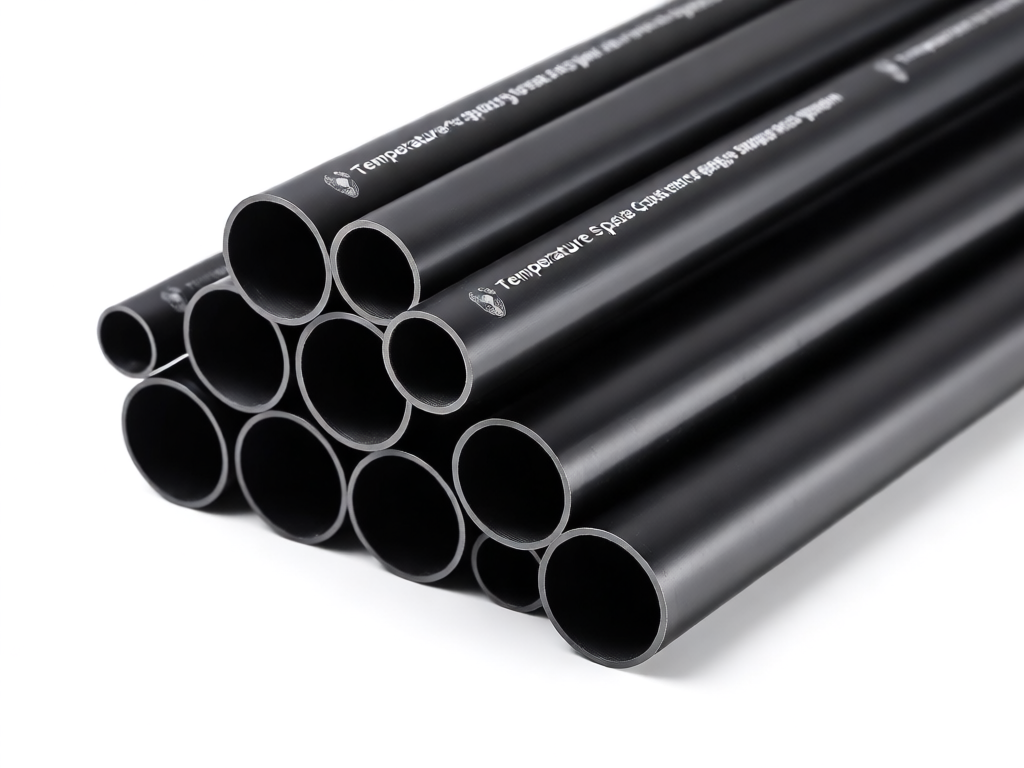
The global push toward renewable energy and electrification has intensified the demand for advanced energy storage systems. As battery technologies evolve, so do the requirements for materials that can withstand extreme operational conditions. Among these, high-temperature resistant special carbon tubes have emerged as a critical component, offering exceptional thermal stability, mechanical strength, and electrical conductivity. This article explores the expanding applications of these carbon tubes in energy storage equipment, highlighting their role in improving performance, safety, and longevity.
## The Unique Properties of High-Temperature Resistant Carbon Tubes
Special carbon tubes, often manufactured through chemical vapor deposition (CVD) or extrusion of carbon fiber composites, exhibit a unique combination of properties:
– **Thermal Stability:** They can withstand temperatures exceeding 2000°C in inert atmospheres, making them ideal for high-temperature processes.
– **Mechanical Strength:** High tensile strength and modulus, even at elevated temperatures, ensure structural integrity.
– **Electrical Conductivity:** Excellent conductivity supports efficient charge transfer in electrochemical systems.
– **Chemical Inertness:** Resistance to corrosion and oxidation extends service life in aggressive environments.
These properties make them indispensable in energy storage technologies that operate under extreme thermal conditions.
## Applications in Thermal Energy Storage Systems
### High-Temperature Sensible Heat Storage
Concentrated solar power (CSP) plants and industrial waste heat recovery systems utilize sensible heat storage in molten salts or solid media. Carbon tubes are used as heat exchanger elements and structural supports within these systems. Their ability to maintain mechanical properties at temperatures above 500°C ensures reliable operation, while their thermal conductivity enhances heat transfer efficiency.
### Phase Change Material Encapsulation
Phase change materials (PCMs) store and release latent heat during phase transitions. Encapsulating PCMs in high-temperature carbon tubes prevents leakage and provides structural stability during repeated melting and solidification cycles. The tubes also improve thermal response rates, enabling faster charging and discharging of thermal energy.
## Role in Advanced Battery Technologies
### Solid-State Battery Components
Solid-state batteries operate at higher temperatures to achieve optimal ionic conductivity in solid electrolytes. Carbon tubes serve as current collectors and structural frameworks within the electrode stack. Their high-temperature resistance prevents deformation and maintains contact integrity, which is crucial for long cycle life.
### High-Temperature Sodium-Sulfur Batteries
Sodium-sulfur (NaS) batteries operate at temperatures between 300°C and 350°C. The corrosive nature of molten sulfur and sodium demands materials that resist chemical attack. Carbon tubes, with their inertness and thermal stability, are used as electrode substrates and separators, ensuring safe and efficient operation over extended periods.
## Enhancing Performance in Supercapacitors
Supercapacitors, particularly those designed for high-power applications, generate significant heat during rapid charge/discharge cycles. Carbon tubes incorporated into electrode materials provide:
– **High Surface Area:** Facilitates ion adsorption and improves capacitance.
– **Thermal Management:** Efficient heat dissipation prevents performance degradation.
– **Mechanical Flexibility:** Accommodates volume changes during cycling, reducing electrode cracking.
These enhancements are vital for supercapacitors used in electric vehicles and grid stabilization.
## Integration into Hydrogen Storage Systems
### Cryo-Compressed Hydrogen Vessels
Hydrogen storage often involves extreme temperatures, either cryogenic or high-pressure. Carbon tubes are used in the insulation layers of cryo-compressed vessels, providing structural support while minimizing heat ingress. Their low thermal conductivity and high strength-to-weight ratio make them ideal for lightweight, durable storage tanks.
### Metal Hydride Reactors
Metal hydride hydrogen storage relies on exothermic/endothermic reactions that generate considerable heat. Carbon tubes act as heat exchangers within the hydride bed, improving thermal management and reaction kinetics. Their resistance to hydrogen embrittlement ensures long-term reliability.
## Future Prospects and Innovations
Research is ongoing to enhance the properties of high-temperature carbon tubes through nano-structuring and hybrid composites. Innovations include:
– **Doped Carbon Tubes:** Incorporating boron or nitrogen to improve oxidation resistance.
– **Carbon Nanotube Hybrids:** Combining with graphene for superior electrical and thermal performance.
– **Additive Manufacturing:** 3D printing of complex carbon tube geometries for customized energy storage components.
These advancements will further expand their application scope, particularly in next-generation batteries and thermal storage systems.
## Conclusion
High-temperature resistant special carbon tubes are proving to be a transformative material in energy storage equipment. Their unique combination of thermal stability, mechanical robustness, and chemical inertness addresses critical challenges in thermal storage, advanced batteries, supercapacitors, and hydrogen systems. As energy storage technologies continue to evolve, the role of these carbon tubes will become even more prominent, driving efficiency, safety, and sustainability in the global energy landscape.