
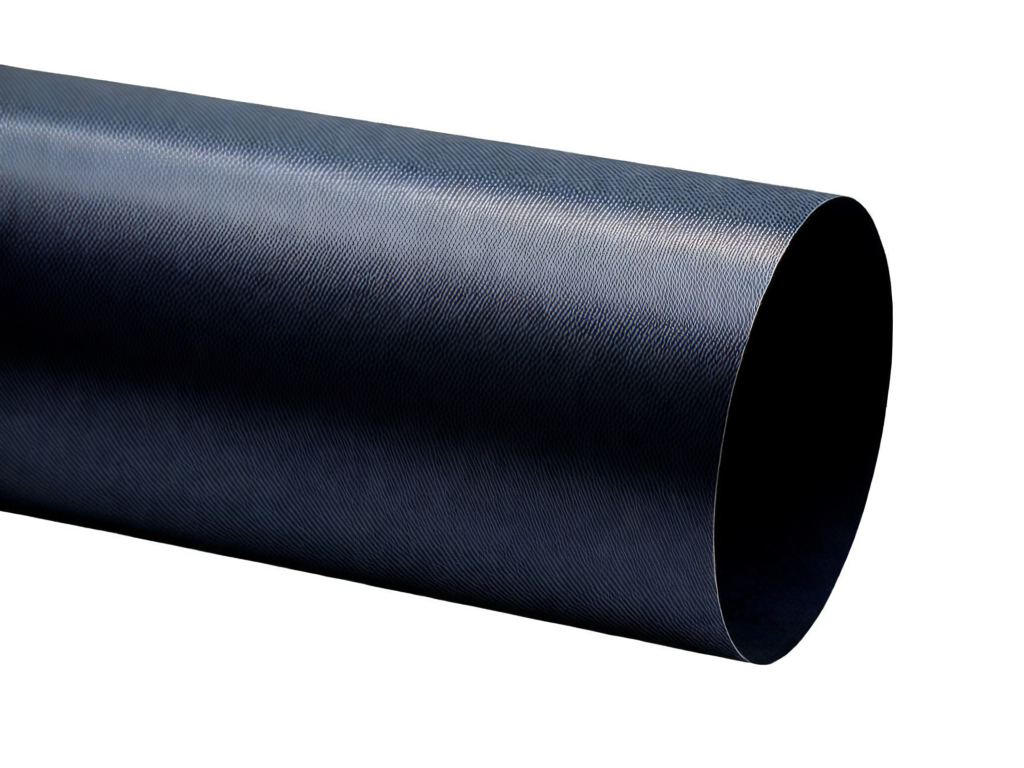
# Uniform Weave Texture Control Method for Appearance-Grade Carbon Fiber Tubes
## Introduction
Appearance-grade carbon fiber tubes are increasingly used in high-end consumer products, automotive interiors, and sports equipment where visual appeal is as critical as mechanical performance. The signature weave pattern—whether twill, plain, or satin—must be uniform, free from distortion, gaps, or color variations. Achieving such consistency requires precise control over the weaving process, resin infusion, and curing. This article presents a comprehensive method for controlling weave texture uniformity in appearance-grade carbon fiber tubes, covering key parameters, inspection techniques, and troubleshooting.
## Understanding Weave Texture in Carbon Fiber Tubes
The weave texture refers to the visible interlacing pattern of carbon fiber tows. For appearance-grade applications, the pattern must be consistent along the entire tube length and circumference. Common weave styles include:
– **Plain weave**: Simple over-under pattern, high stability but limited drape.
– **Twill weave**: Diagonal pattern, better drape and conformability.
– **Satin weave**: Fewer interlacing points, smoother surface but prone to distortion.
Uniformity is defined by consistent tow spacing, no gaps or overlaps, and minimal distortion during mandrel wrapping.
## Key Factors Affecting Weave Texture Uniformity
### 1. Fabric Quality and Tow Consistency
Carbon fiber fabric must have uniform tow width, areal weight, and weave density. Variations in tow size or tension lead to visible defects. Supplier qualification should include strict tolerances for these parameters.
### 2. Mandrel Wrapping Tension
Tension control during filament winding or tape wrapping is critical. Too high tension causes tow spreading and pattern distortion; too low tension results in gaps and loose weave. A constant tension system with closed-loop feedback is recommended.
### 3. Resin System and Infusion
Resin viscosity, surface tension, and cure kinetics affect how the resin wets the fibers and fills gaps. For appearance-grade tubes, a low-viscosity resin with good wetting properties is preferred. Vacuum-assisted resin transfer molding (VARTM) or prepreg processing can minimize voids and ensure uniform appearance.
### 4. Curing Profile
Non-uniform heating or cooling can cause resin shrinkage differences, leading to print-through or weave distortion. A controlled ramp and soak cure cycle with even temperature distribution is essential.
## Step-by-Step Control Method
### Step 1: Fabric Inspection and Preparation
Inspect incoming fabric for weave uniformity using a light table or automated vision system. Cut plies at precise angles to maintain pattern continuity. Store in clean, humidity-controlled environment.
### Step 2: Mandrel Preparation
Clean and apply release agent uniformly. A slightly textured mandrel can help grip the first ply and prevent slippage.
### Step 3: Controlled Wrapping
Use a winding machine with tension control. For tape wrapping, maintain constant tension (e.g., 2–5 N per tow) and consistent wrap angle. Overlap should be precise (e.g., 50% for twill). Monitor for tow spreading.
### Step 4: Resin Infusion and Wet-out
If using VARTM, ensure vacuum pressure is stable (e.g., 0.8–0.9 bar). Degas resin to remove bubbles. Infuse slowly to allow complete wet-out without displacing fibers.
### Step 5: Curing and Cooling
Cure according to resin supplier’s recommended cycle. Use a ramp rate of 1–3°C/min to avoid thermal gradients. Cool gradually to prevent stress cracking.
### Step 6: Demolding and Finishing
Remove mandrel carefully. Light sanding and polishing can enhance appearance but avoid over-sanding that exposes fibers.
## Inspection and Quality Control
Visual inspection under controlled lighting (e.g., D65) for weave uniformity, gaps, and color consistency. Use image analysis software to quantify texture regularity. Measure tow spacing and angle deviation. Reject tubes with visible defects.
## Troubleshooting Common Weave Texture Defects
| Defect | Cause | Solution |
|——–|——-|———-|
| Tow spreading | High tension | Reduce tension, use wider tow |
| Gaps | Low tension, insufficient overlap | Increase tension, adjust overlap |
| Pattern distortion | Uneven wrapping, mandrel slippage | Improve mandrel grip, constant speed |
| Resin-rich areas | Uneven infusion | Optimize vacuum, resin viscosity |
| Print-through | Curing stress | Adjust cure cycle, use surface veil |
## Conclusion
Achieving uniform weave texture in appearance-grade carbon fiber tubes requires an integrated approach: from fabric selection to controlled wrapping, resin infusion, and curing. By implementing the control methods outlined, manufacturers can consistently produce tubes with flawless aesthetics, meeting the demands of high-end applications. Continuous monitoring and feedback are key to maintaining quality.
## Keywords
– carbon fiber tube
– weave texture
– appearance-grade
– uniformity control
– manufacturing process