
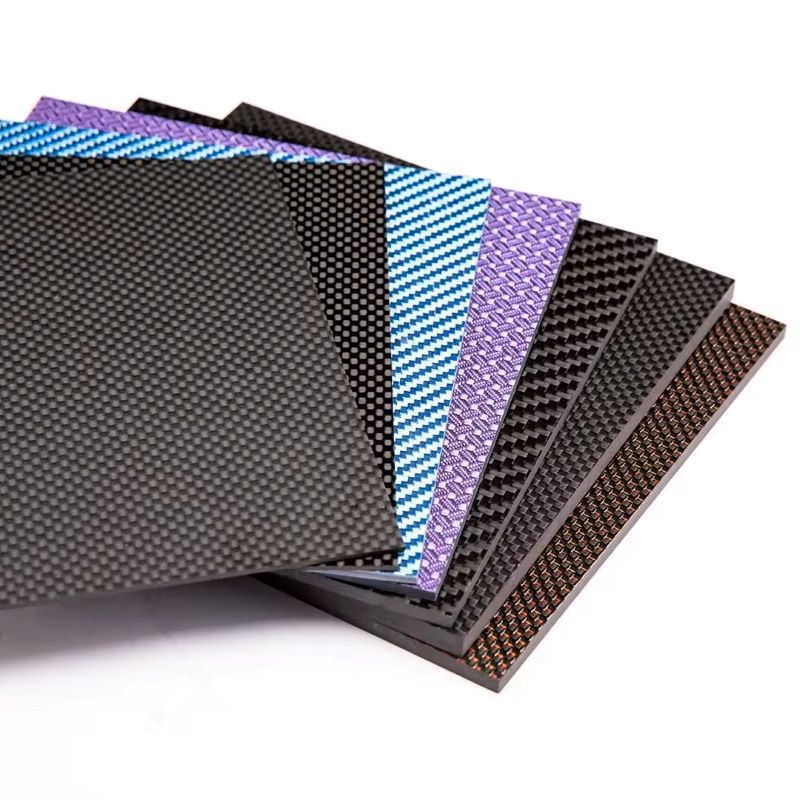
The Ugly Truth Behind Most Carbon Fiber Purchases
Carbon fiber holds an almost mythical status among engineers, car enthusiasts, and makers. It promises astronomical strength-to-weight ratios, a sleek high-tech aesthetic, and performance that glass fiber or aluminum simply cannot match. Yet, the online shopping experience for carbon fiber has become a minefield. The vast majority of buyers — researchers, hobbyists, and professionals alike — are walking away with products that fail to deliver on any of those promises. The issue isn’t a lack of demand; it’s a flood of deceptively marketed goods that leverage the “carbon fiber” label without the material integrity to back it up. Many shoppers don’t realize they are paying a premium for plastic wrapped in a vinyl decal, for structurally dubious wet layups, or for stock photos that bear no resemblance to what lands on their doorstep. The result is a staggering waste of money and, in load-bearing applications, a genuine safety risk.
Why You’re Likely Overpaying for Inferior Products
The core problem begins with the digital shelf. Generic marketplaces prioritize price and keyword matching over technical accuracy. A search for “carbon fiber tube” returns thousands of listings, many of which use the same stock image of a glossy black weave. Disturbingly, a significant fraction of these are not carbon fiber at all. They are fiberglass tubes with a single layer of decorative carbon fabric on the surface, or even extruded ABS plastic with a hydro-dipped pattern. The term “carbon fiber” is abused as a catch-all for anything black and textured.
Even when a product does contain actual carbon fiber, the manufacturing quality often negates the performance benefits. A poorly executed wet layup with excess resin, voids, and no post-cure will be brittle, heavy, and prone to delamination. Premium prepreg parts, cured under heat and pressure, are vastly superior, but sellers rarely disclose their process. Without technical specifications — fiber areal weight, resin type, cure cycle, or mechanical test data — the buyer is effectively blind. The false economy