
# Introduction
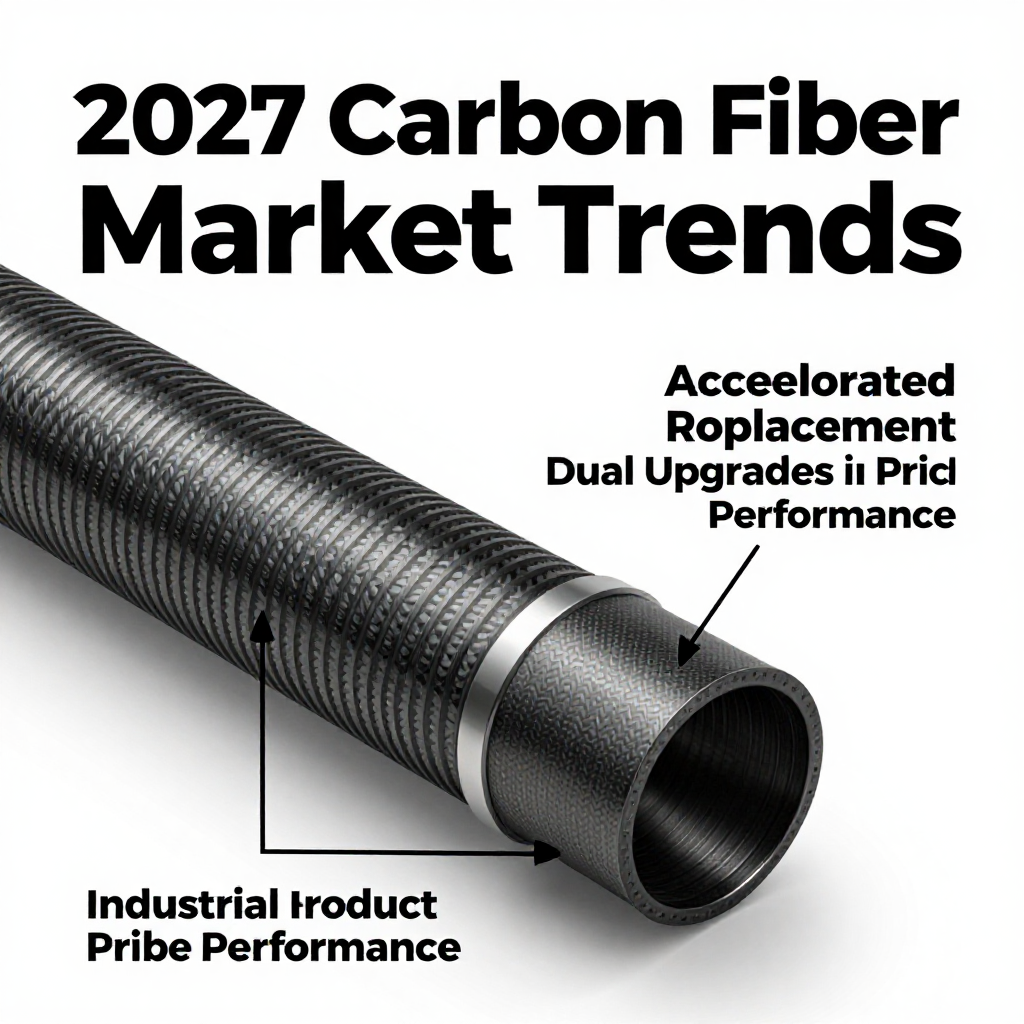
The global carbon fiber tube market is undergoing a transformative phase as we approach 2027. Driven by the dual imperatives of supply chain resilience and technological advancement, the industry is witnessing an accelerated shift toward localization of production, coupled with significant improvements in both price competitiveness and performance metrics. This article delves into the key trends shaping the market, offering insights for manufacturers, suppliers, and end-users navigating this dynamic landscape.
## The Push for Localization: A Strategic Imperative
Historically, the carbon fiber tube market has been dominated by a handful of international producers, particularly from Japan, the United States, and Germany. However, geopolitical tensions, trade barriers, and logistics disruptions have exposed the vulnerabilities of over-reliance on global supply chains. As a result, 2027 marks a pivotal year where localization is not just a preference but a strategic necessity.
### Government Initiatives and Industrial Policy
Countries like China, India, and South Korea are heavily investing in domestic carbon fiber production capabilities. Subsidies, tax incentives, and favorable industrial policies are accelerating the establishment of local manufacturing plants. For instance, China’s push for self-sufficiency in advanced materials has led to a surge in domestic PAN-based precursor production, reducing dependency on imported carbon fiber tows. This localization trend is expected to lower lead times, reduce transportation costs, and enhance supply chain security.
### Impact on Global Trade Dynamics
The localization wave is reshaping global trade flows. While traditional exporters still hold a significant share, their dominance is being challenged by regional players who offer competitive pricing and faster delivery. This shift is particularly evident in the Asia-Pacific region, where demand from aerospace, automotive, and renewable energy sectors is soaring. As a result, international collaborations and joint ventures are emerging to bridge technology gaps and foster knowledge transfer.
## Dual Upgrades: Price and Performance
The second major trend is the simultaneous improvement in price and performance of carbon fiber tubes. Historically, the high cost of carbon fiber limited its application to high-end industries such as aerospace and defense. However, advancements in manufacturing processes and economies of scale are driving costs down, making carbon fiber tubes increasingly viable for mainstream applications.
### Cost Reduction through Process Innovation
Innovations in precursor production, carbonization, and surface treatment are significantly reducing manufacturing costs. The adoption of large-tow carbon fiber (e.g., 48K and 60K) has lowered material costs without compromising mechanical properties. Additionally, automated fiber placement (AFP) and pultrusion techniques are enhancing production efficiency, reducing waste, and enabling high-volume output. These process improvements are expected to bring the price of carbon fiber tubes down by 15-20% by 2027, compared to 2020 levels.
### Performance Enhancements: Strength, Stiffness, and Beyond
While cost reduction is crucial, performance upgrades are equally vital. Modern carbon fiber tubes are being engineered with higher tensile strength, improved modulus, and superior fatigue resistance. The introduction of intermediate modulus (IM) and high modulus (HM) fibers is enabling the production of tubes that are lighter yet stronger than their predecessors. Moreover, advanced resin systems are enhancing thermal stability and impact resistance, expanding the operational envelope of these components.
### Tailored Solutions for Diverse Industries
The dual upgrade in price and performance is unlocking new applications. In the automotive sector, carbon fiber tubes are now used in drive shafts, roll cages, and structural components, contributing to weight reduction and fuel efficiency. In renewable energy, they are integral to wind turbine blades and solar tracker structures, offering corrosion resistance and longevity. The sporting goods industry is also benefiting, with high-performance bicycle frames and fishing rods becoming more affordable without sacrificing quality.
## Market Segmentation and Regional Insights
### Aerospace and Defense: The Premium Segment
The aerospace sector remains the largest consumer of high-grade carbon fiber tubes, demanding uncompromised quality and certification. Despite the high cost, the need for lightweight, fuel-efficient aircraft is driving sustained demand. Localization in this segment is slower due to stringent regulatory requirements, but partnerships with domestic suppliers are gradually gaining traction.
### Automotive and Transportation: The Growth Engine
The automotive industry is the fastest-growing segment for carbon fiber tubes, propelled by electric vehicle (EV) adoption. EVs require lightweight components to offset battery weight, and carbon fiber tubes offer an ideal solution. The localization of production in regions like North America and Europe is facilitating just-in-time delivery and customization, further boosting market growth.
### Industrial and Renewable Energy: The Volume Driver
In industrial applications, carbon fiber tubes are replacing traditional materials like steel and aluminum in robotics, material handling, and infrastructure. The renewable energy sector, particularly wind power, is a major volume driver. As turbine sizes increase, the demand for longer, stiffer, and lighter tubes is rising. Localized production is enabling manufacturers to meet these demands cost-effectively.
## Challenges and Opportunities
### Raw Material Availability and Recycling
One of the primary challenges in localization is securing a stable supply of high-quality precursor materials. While efforts are underway to develop domestic PAN production, the technology is complex and capital-intensive. Additionally, the industry is grappling with the recycling of carbon fiber composites. As environmental regulations tighten, the development of cost-effective recycling methods will be crucial for sustainable growth.
### Technological Collaboration and Skill Development
Localization is not just about building factories; it requires a skilled workforce and technological expertise. Companies are investing in R&D centers and training programs to cultivate local talent. Cross-border collaborations are also facilitating technology transfer, enabling domestic manufacturers to leapfrog in capabilities.
### The Role of Digitalization and Industry 4.0
Digitalization is playing a pivotal role in optimizing production and quality control. The integration of IoT sensors, AI-driven process control, and digital twins is enhancing manufacturing precision and reducing defects. These technologies are also enabling predictive maintenance, minimizing downtime, and improving overall equipment effectiveness (OEE).
## Future Outlook: 2027 and Beyond
As we look toward 2027, the carbon fiber tube market is poised for robust growth. The convergence of localization, cost reduction, and performance enhancement is creating a virtuous cycle. Domestic manufacturers are becoming more competitive, while end-users are benefiting from lower prices and better products. The market is expected to witness a compound annual growth rate (CAGR) of 8-10% from 2024 to 2027, with Asia-Pacific leading the charge.
### Strategic Recommendations for Stakeholders
For manufacturers, investing in advanced production technologies and forging strategic partnerships will be key to capitalizing on the localization trend. For suppliers, diversifying raw material sources and developing recycling capabilities will ensure long-term viability. End-users should leverage the improved price-performance ratio to explore new applications and gain a competitive edge.
## Conclusion
The 2027 carbon fiber tube market is defined by two powerful trends: accelerated localization and dual upgrades in price and performance. These trends are not only reshaping the competitive landscape but also expanding the horizons of what is possible with carbon fiber technology. By embracing these changes, stakeholders can position themselves for success in an increasingly dynamic and demanding market.