
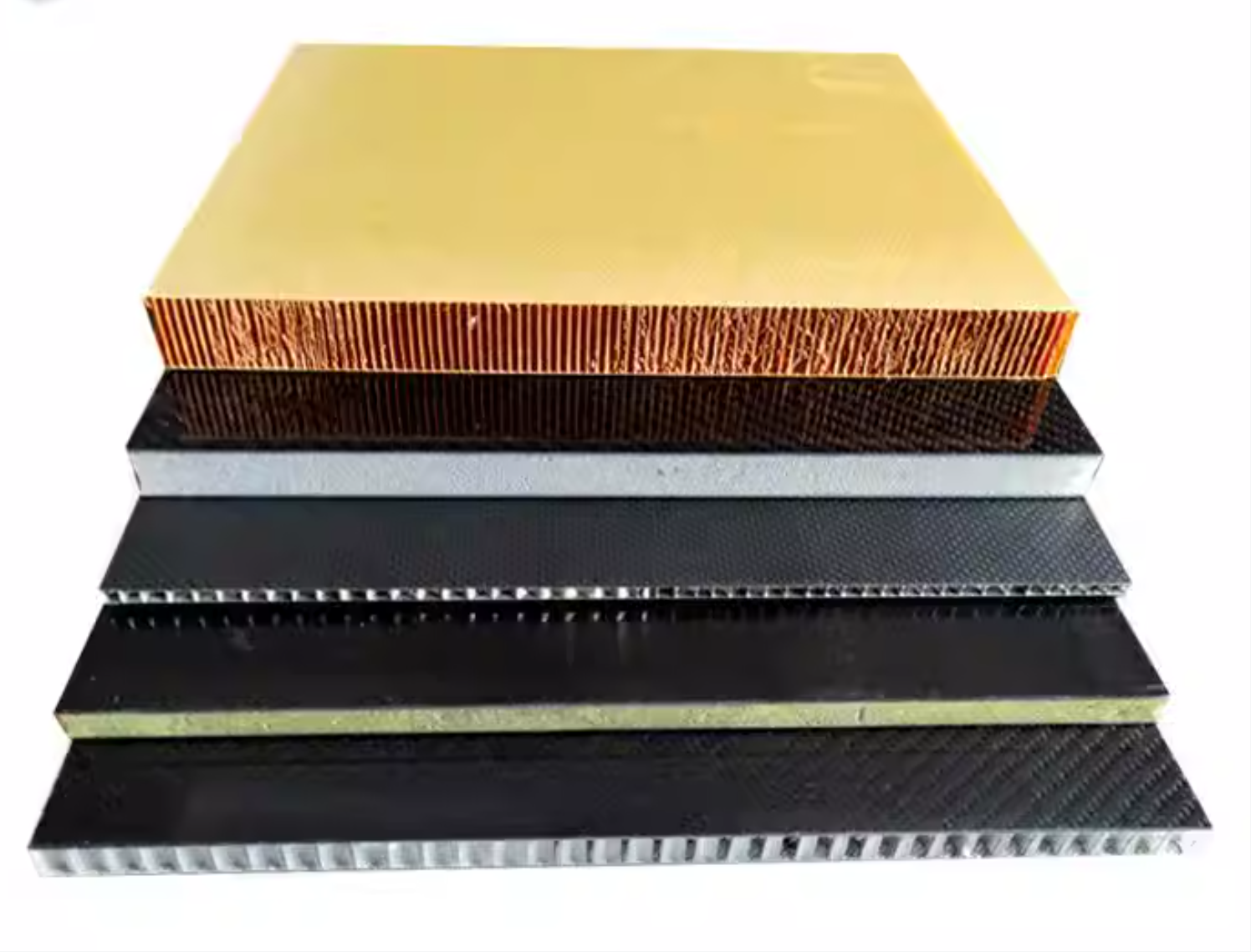
The Carbon Fiber Era Is Ending
For decades, carbon fiber has been the material of choice for aerospace engineers, high-performance automotive designers, and sporting goods manufacturers seeking exceptional strength-to-weight ratios. Its dark woven appearance has become synonymous with performance and advanced engineering. Yet a quiet revolution is underway in materials science, and carbon fiber’s dominance may soon be a memory. The replacement is not an incremental improvement. It is a fundamentally different class of material built from nature’s most abundant polymer, engineered at the nanoscale.
The Limitations Carbon Fiber Could Never Solve
Carbon fiber is undeniably impressive. It offers high tensile strength, low weight, and excellent fatigue resistance compared to metals. However, its limitations are significant. The manufacturing process is energy-intensive, often requiring petroleum-based precursor fibers and high-temperature furnaces. Production costs remain high, and the material is difficult to recycle. Once a carbon fiber component reaches the end of its life, it typically ends up in a landfill because separating the fibers from the resin matrix is complex and expensive.
Furthermore, carbon fiber is brittle. It fails catastrophically under high impact rather than deforming. This brittleness limits its use in applications requiring crash energy absorption or repeated high-strain loading. Engineers must over-design parts to compensate, reducing the weight savings carbon fiber promises. These unresolved problems have created an opening for a radically different material.
Meet the Mind-Blowing New Material
The material poised to replace carbon fiber is nanocellulose, specifically in the form of cellulose nanofibrils and cellulose nanocrystals. Derived from wood pulp, agricultural waste, or even bacteria, nanocellulose consists of incredibly small fibers with diameters measured in nanometers. At this scale, cellulose exhibits properties that are almost unbelievable.
Nanocellulose has a theoretical tensile strength greater than that of steel at a fraction of the weight. Its strength-to-weight ratio rivals or exceeds carbon fiber, but it does not require petroleum feedstocks or extreme processing temperatures. It is renewable, biodegradable, and can be produced from waste streams that currently have little economic value. When processed into films, foams, or continuous fibers, nanocellulose demonstrates stiffness and strength that make it a serious competitor to synthetic composites.
Why Nanocellulose Outperforms Carbon Fiber
The key advantage of nanocellulose is not just raw strength but the way it solves carbon fiber’s fundamental problems. First, nanocellulose is not brittle. The nanoscale fibrils can rearrange and form extensive hydrogen bonds, creating materials that absorb energy through controlled deformation. This toughness allows nanocellulose composites to withstand impacts that would shatter carbon fiber.
Second, nanocellulose is lightweight. Its density is approximately 1.5 grams per cubic centimeter, lower than carbon fiber’s typical 1.8 grams per cubic centimeter. When used in composite form, the weight savings translate directly into better fuel efficiency and lower emissions for transportation applications.
Third, nanocellulose is completely renewable. Trees and plants can be regrown, and agricultural residues such as corn stalks or sugarcane bagasse are abundant. The production process uses mechanical and enzymatic methods that require far less energy than carbon fiber manufacturing. Some production methods operate at room temperature and atmospheric pressure, dramatically reducing the carbon footprint of the final material.
Fourth, nanocellulose is recyclable and biodegradable. At the end of its useful life, a nanocellulose component can be composted or broken down using biological processes. This contrasts sharply with carbon fiber, which currently contributes to a growing waste problem in the aerospace and automotive industries.
Recent Breakthroughs Bring Nanocellulose Closer to Market
Until recently, nanocellulose fiber production was slow and expensive. Scientists struggled to align the nanofibrils into continuous fibers with consistent mechanical properties. That has changed rapidly. Researchers have developed flow-assisted assembly methods that align nanocellulose fibrils in a continuous process, producing fibers with tensile strengths exceeding 1.5 gigapascals. Some laboratory samples have reached strengths close to 2 gigapascals, placing them within the range of commercial carbon fiber.
At the same time, new chemical treatments have improved the moisture resistance of nanocellulose. Cellulose naturally absorbs water, which can degrade its mechanical properties. By grafting hydrophobic molecules onto the fibril surfaces, scientists have created nanocellulose fibers that remain strong even in humid or wet environments. This eliminates one of the primary barriers to commercialization.
Automotive and aerospace companies have taken notice. Pilot projects are testing nanocellulose-reinforced polymers for interior panels, structural brackets, and even body panels. Early results indicate that nanocellulose composites can be compression-molded at lower temperatures than carbon fiber composites, reducing manufacturing costs and cycle times.
The Path to Widespread Adoption
Like any new material, nanocellulose must overcome challenges before it can fully replace carbon fiber. Production capacity must scale from laboratory and pilot levels to industrial volumes. Consistent quality control across different feedstocks needs further development. However, the trajectory is clear. Global nanocellulose production capacity has been growing at double-digit rates, and major pulp and paper companies are investing in dedicated nanocellulose plants.
The economic case is compelling. Carbon fiber currently costs between ten and twenty dollars per kilogram for standard grades, and much more for aerospace-grade material. Nanocellulose, once scaled, is projected to cost less than five dollars per kilogram. Combined with lower processing energy and waste disposal costs, nanocellulose offers a total cost of ownership that carbon fiber cannot match.
A Circular Future for High-Performance Materials
The shift away from carbon fiber