
## Introduction
In the competitive world of high-end sports equipment, performance and aesthetics are inseparable. Two-tone spliced carbon tube surface design has emerged as a premium solution, combining advanced composite engineering with striking visual appeal. This article explores how this innovative design technique enhances products like bicycle frames, golf shafts, and tennis rackets, delivering both functional benefits and a distinct brand identity.
## What is Two-Tone Spliced Carbon Tube Surface Design?
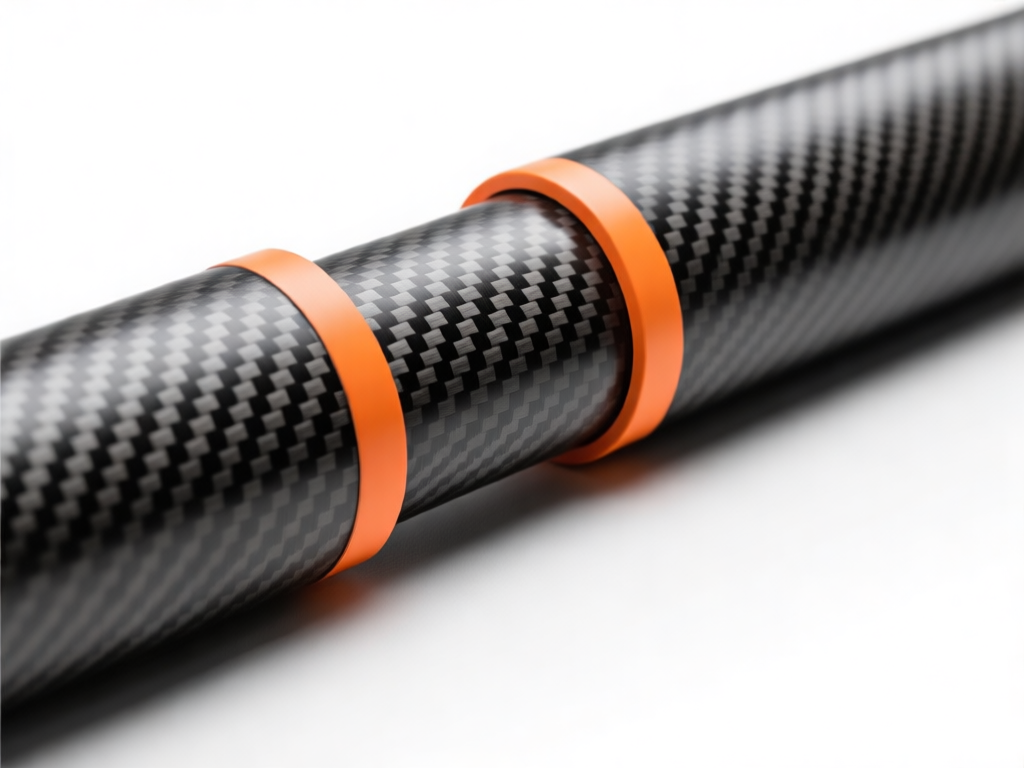
Two-tone spliced carbon tube surface design refers to the deliberate combination of two distinct colors or finishes on a single carbon fiber tube, achieved through splicing techniques during layup or post-processing. Unlike traditional painting, this method integrates the color contrast into the composite structure itself, resulting in a seamless, durable, and lightweight finish.
### The Splicing Process
Manufacturers use precision cutting and layup methods to join carbon prepregs of different colors. The splice can be a straight line, a curve, or a complex pattern, depending on the desired aesthetic. The tube is then cured under heat and pressure, fusing the layers into a monolithic structure. This process ensures that the two-tone effect is not merely superficial but embedded within the tube.
## Benefits for High-End Sports Equipment
### Enhanced Visual Appeal
Two-tone splicing creates a dynamic, high-tech look that stands out in a crowded market. Brands can use contrasting colors to highlight logos, model names, or functional zones, making the equipment instantly recognizable.
### Weight Savings
Traditional painting adds weight, which is critical in sports like cycling and golf. Two-tone splicing eliminates the need for heavy coatings, as the color is part of the carbon layup. This can save grams without compromising strength.
### Durability
Painted surfaces are prone to chipping and fading. Spliced carbon tubes resist wear because the color is integrated into the composite. This maintains the equipment’s appearance over years of rigorous use.
### Design Flexibility
Manufacturers can achieve complex patterns and gradients that are difficult with paint. This allows for bespoke designs tailored to professional athletes or limited-edition product lines.
## Applications in Sports Equipment
### Bicycle Frames and Components
High-end road bikes and mountain bikes often feature two-tone spliced carbon tubes. The splice can run along the frame, accentuating its aerodynamic lines. Brands like Trek and Specialized have utilized similar techniques to create signature looks.
### Golf Shafts
Golf shafts benefit from the weight reduction and aesthetic customization. A two-tone splice can indicate flex zones or simply add a premium feel. The durability ensures the shaft maintains its appearance through countless swings.
### Tennis Rackets
Rackets require a balance of stiffness and vibration damping. Two-tone spliced carbon tubes allow for targeted stiffness by varying the carbon layup in different colored zones, while also providing a sleek, professional look.
### Fishing Rods
In fishing rods, sensitivity and strength are paramount. Two-tone splicing can visually differentiate different sections or actions, helping anglers quickly identify the right rod for the conditions.
## Manufacturing Considerations
### Material Selection
High-quality carbon prepregs with consistent resin content are essential. The two colors must have compatible curing profiles to avoid delamination.
### Precision Cutting
Computer-controlled cutting machines ensure accurate splice lines. Any misalignment can result in weak points or visual defects.
### Quality Control
Inspectors use ultrasonic testing and visual checks to verify bond integrity and color consistency. Only tubes meeting strict standards are approved for high-end applications.
## Conclusion
Two-tone spliced carbon tube surface design represents a fusion of form and function. It offers weight savings, durability, and unmatched aesthetics, making it ideal for high-end sports equipment. As athletes and consumers demand more from their gear, this innovative approach will continue to set new standards in the industry.