Shopping for carbon fiber components—whether for a performance car, a high-end bicycle, or aerospace-grade DIY projects—often feels like a luxury tax you can’t avoid. A single carbon fiber hood can list for $2,500; a set of mirror caps, $600; a racing drone frame, $300. Yet a growing number of savvy buyers are quietly exploiting a flaw in the e-commerce ecosystem that lets them acquire identical, factory-fresh parts for 40–70% less. This isn’t about knockoffs or clearance sales. It’s a structural loophole in how carbon fiber goods are listed, categorized, and priced online—and it’s unlikely to remain open forever.
The Pricing Anomaly Nobody Talks About
Carbon fiber manufacturing is global, but brand pricing is local. A well-known US-based aftermarket brand sources its dry carbon trunk lid from the same handful of Chinese and Taiwanese OEM factories as a generic supplier. The difference is the label, the warranty wrapper, and a distribution chain that multiplies the cost at each step: factory, exporter, importer, wholesaler, retailer. By the time the part reaches a consumer, it has passed through multiple markups.
Online platforms inadvertently expose this discrepancy. On giant marketplaces like eBay, AliExpress, and even Amazon, many OEM manufacturers now sell directly to end users, but their listings are often miscategorized. A factory that produces 10,000 carbon fiber bicycle frames for a Swiss brand may also sell the unbranded version under a nondescript title like “3K Twill Weave Carbon Fiber Road Frame 700c.” That frame, which retails for $1,800 from the brand, might list for $450—exact same mold, identical T700 carbon, same layup process.
The loophole exists because these listings are buried under poor SEO, generic product names, and incomplete specifications. Bots and automated pricing tools overlook them, and most consumers don’t know how to search for them. They dwell in the blind spots between “authentic” branded listings and obvious counterfeits.
How the Loophole Works in Practice
The exploit is a search methodology, not a hack. It requires thinking like a procurement agent, not a retail shopper. Here’s the step-by-step:
- Identify the Manufacturer, Not the Brand
Start with a high-end product you desire. Dissect its publicly listed specifications: weave pattern (plain, twill, unidirectional), material grade (T700, T800, M40J), molding process (pre-preg, resin transfer, autoclave). Industry certifications like ISO 9001 or AS9100 are often displayed by reputable factories. Use those details as search terms, stripping away brand names.
- Search by Technical Specs on Global Platforms
On platforms like Alibaba.com, “carbon fiber hood BMW F80 dry carbon autoclave” is far more effective than “BMW M3 carbon hood.” Filter for “Verified Supplier” or “Trade Assurance” to narrow results. Often you’ll find a factory’s showcase listing that exactly matches the branded item. Request a spec sheet; many will send documents that inadvertently show they manufacture for the brand you know.
- Look for “Unbranded” or “OEM” Listings on Consumer Sites
On eBay and Amazon, search with the raw specs and ignore sponsored brand results. A “3K pre-preg carbon fiber seatpost 27.2mm” may be sold by a third-party seller who sources directly from the factory, with no brand markup. Read the seller’s store description: if they mention “direct from manufacturer” or list a business address in a manufacturing hub like Dongguan or Taichung, you’re on the right track.
- Use Image Search to Trace the Source
Download the branded product’s photo and use reverse image search. You’ll frequently discover the same image on a factory’s Alibaba page or a Vietnamese eBay seller’s listing. That’s your signal that the product is white-labeled.
- Negotiate Directly on Wholesale Platforms
Many Alibaba or Made-in-China vendors accept sample orders (MOQ of 1) if you pay the sample fee plus shipping. For a $2,000 retail carbon wing, the sample price might be $600 including air freight. The part arrives with no logo, but otherwise identical. Some vendors will even apply your preferred finish or clear coat for a small surcharge.
Real-World Savings That Defy Logic
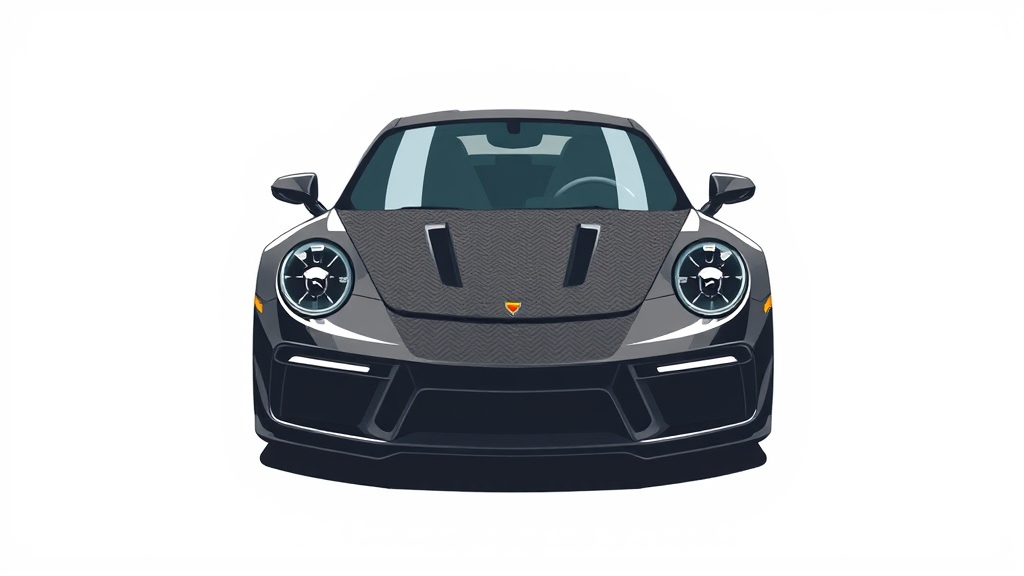
Let’s put numbers to the method. A car enthusiast wanting a carbon fiber diffuser for a Porsche 991 faced a $3,200 price tag from a well-known German tuner. By searching “Porsche 991 carbon diffuser autoclave pre-preg OEM,” he found a Taiwan-based manufacturer on eBay with a listing that matched the tuner’s product photos exactly. The unbranded version: $980 shipped. The part arrived with identical weave alignment, mounting holes, and weight. The only difference was the missing etched logo—worth $2,220 to him.
In cycling, a set of carbon clincher wheels from a boutique US brand retails for $2,400. A direct search for “50mm clincher carbon wheelset Sapim spokes Novatec hubs” on AliExpress led to the OEM supplier, selling the same rim profile and spoke configuration for $690. The purchaser even cross-referenced the rim’s UCI certification sticker and found it matched.
Industrial drone operators save similarly. A popular heavy-lift drone frame sells for $1,200 from a Florida-based company. The identical frame, minus