
## Introduction
Carbon fiber tubes are prized for their high strength-to-weight ratio and stiffness, making them essential in aerospace, automotive, sporting goods, and industrial applications. However, a common issue that arises upon receiving shipments is uneven surface weave texture—a defect that compromises both aesthetics and structural integrity. This article provides a comprehensive guide on how to prevent, identify, and address these defects during the receiving process, ensuring that your carbon tube inventory meets the highest quality standards.
## Understanding Uneven Surface Weave Texture
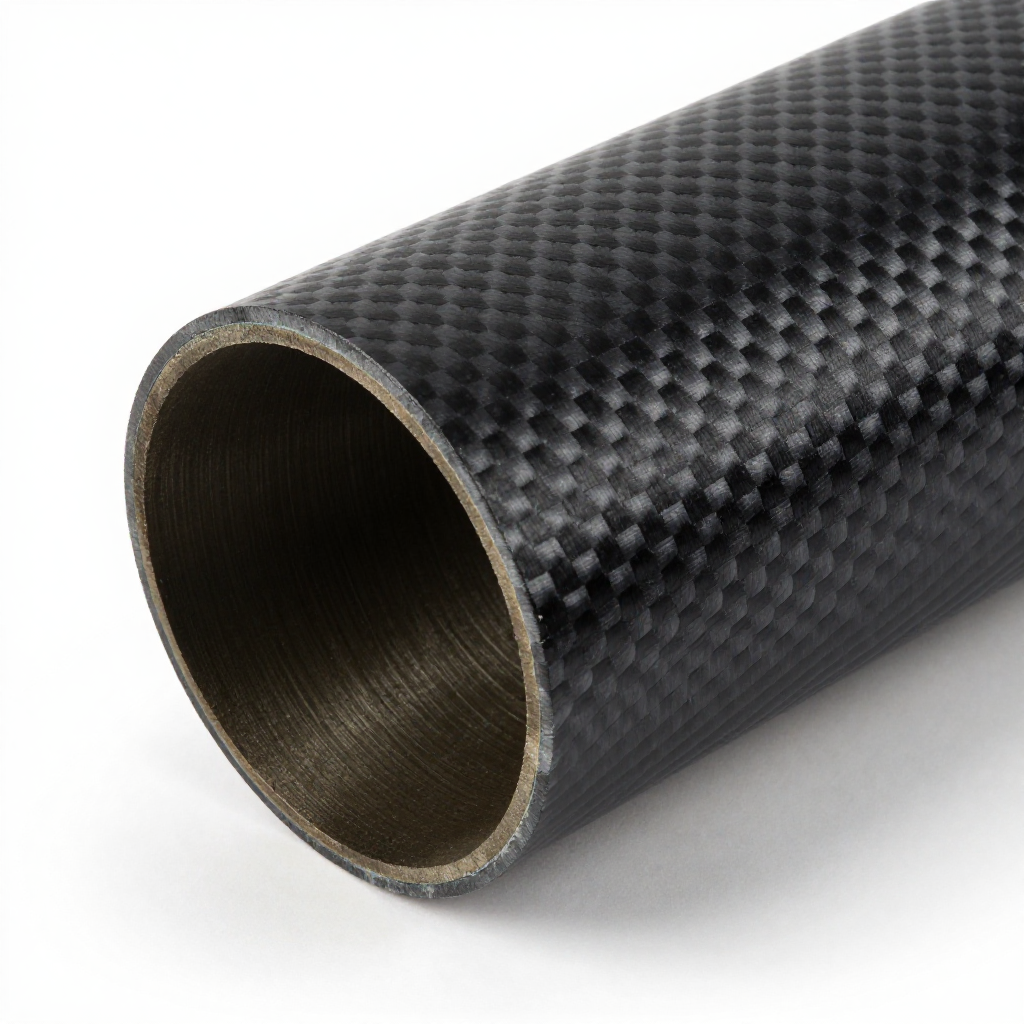
Uneven surface weave texture refers to irregularities in the carbon fiber fabric pattern visible on the tube’s surface. These can manifest as waviness, gaps, overlaps, or a distorted weave pattern. Such defects often indicate underlying issues like inconsistent resin distribution, improper curing, or fiber misalignment during manufacturing. While some surface variations are cosmetic, severe unevenness can reduce mechanical performance, especially under load.
## Root Causes of Weave Texture Defects in Shipments
### Manufacturing Variability
Even with strict quality control, minor variations in fiber tension, resin viscosity, or curing temperature can lead to surface irregularities. These may not be apparent until the tube is inspected closely.
### Handling and Packaging Issues
Improper handling during packaging or transit can cause localized pressure or abrasion, distorting the weave. Tubes that are not adequately supported or cushioned may develop flat spots or indentations.
### Environmental Factors
Extreme temperatures or humidity during shipping can affect the resin’s state, potentially causing surface blushing or micro-cracking, which alters the weave appearance.
## Pre-Receiving Inspection Protocols
### Establish Clear Specifications
Before shipment, define acceptable weave tolerances with your supplier. Include parameters like weave angle, gap size, and surface smoothness. This ensures both parties have a mutual understanding of quality standards.
### Request Pre-Shipment Samples
Ask for representative samples or photographs of the actual production batch. This allows you to verify that the weave texture meets your expectations before the full shipment is dispatched.
### Verify Packaging Standards
Ensure that the supplier uses appropriate packaging—such as individual foam sleeves, cardboard tubes, or edge protectors—to prevent movement and impact during transit.
## Receiving Inspection Checklist
### Visual Examination
Upon arrival, inspect each tube under adequate lighting. Look for:
– Waviness or ripples in the weave
– Gaps or overlaps between fiber tows
– Areas where the weave appears stretched or compressed
– Any discoloration or resin-rich or resin-poor zones
### Tactile Inspection
Run your hand along the surface to detect any raised or recessed areas. A smooth, consistent texture is expected; any bumps or dips indicate potential defects.
### Dimensional Checks
Use calipers or micrometers to measure the tube’s outer diameter at multiple points. Significant variations may indicate internal structural issues that affect the weave.
### Documentation and Reporting
Record any findings with photos and detailed notes. If defects are found, document them immediately and notify the supplier within the agreed timeframe to facilitate claims.
## Handling and Storage Best Practices
### Proper Unloading Techniques
Use appropriate lifting equipment and avoid dropping or dragging tubes. Always handle tubes with clean, dry gloves to prevent contamination or abrasion.
### Storage Conditions
Store carbon tubes horizontally on racks with adequate support to prevent sagging. Keep them in a climate-controlled environment, away from direct sunlight and extreme temperatures.
### Rotation of Inventory
Implement a first-in, first-out (FIFO) system to ensure that older stock is used before newer deliveries, reducing the risk of long-term storage-related defects.
## Collaboration with Suppliers
### Quality Agreements
Develop a formal quality agreement that outlines inspection procedures, defect criteria, and corrective action plans. This helps in resolving issues efficiently.
### Feedback Loops
Provide suppliers with detailed feedback on any defects found. High-quality suppliers will use this information to improve their processes and prevent recurrence.
### Continuous Improvement
Work with suppliers to implement statistical process control (SPC) and other quality improvement methodologies to reduce variability in the manufacturing process.
## Conclusion
Avoiding uneven surface weave texture defects in carbon tube shipments requires a proactive approach that spans from supplier selection to final inspection. By understanding the root causes, implementing rigorous receiving protocols, and maintaining strong supplier partnerships, you can significantly reduce the risk of receiving defective tubes. Remember, early detection and clear communication are key to ensuring that your carbon fiber components perform reliably in their intended applications.
By following the guidelines outlined in this article, you will not only protect your investment but also uphold the quality standards that your products demand.