
## Introduction
In the precision-driven world of electronics manufacturing, static electricity is a silent threat. A single electrostatic discharge (ESD) can destroy sensitive components, disrupt production, and lead to costly recalls. To combat this, anti-static surface treatment carbon tubes have emerged as a critical solution for electronic workshop equipment. These specialized tubes combine the strength and conductivity of carbon with advanced surface treatments to dissipate static charge effectively. This article explores the importance, technology, and applications of anti-static carbon tubes in modern electronic workshops.
## The Threat of Static Electricity in Electronics
Static electricity is generated through friction, separation, or induction. In an electronic workshop, common activities like walking, handling components, or moving equipment can generate thousands of volts. Even a discharge of 100 volts can damage or destroy microelectronic parts. Therefore, controlling static is not optional—it’s mandatory for quality and reliability.
### How ESD Affects Electronic Equipment
ESD can cause immediate failures (catastrophic) or latent defects that reduce product lifespan. Sensitive devices like integrated circuits, transistors, and microprocessors are particularly vulnerable. Anti-static measures, including the use of conductive materials, are essential to prevent these issues.
## What Are Anti-Static Surface Treatment Carbon Tubes?
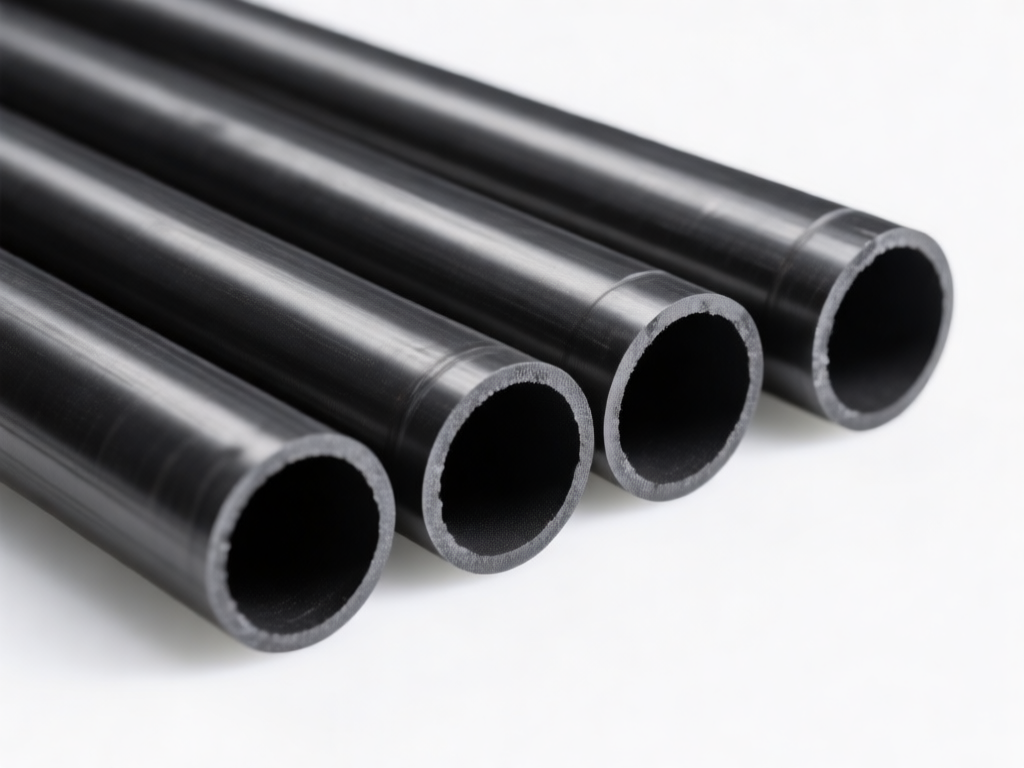
Carbon tubes are cylindrical structures made from carbon fiber composites, known for their high strength-to-weight ratio and electrical conductivity. Anti-static surface treatment involves applying a coating or modifying the surface to enhance static dissipation. This treatment ensures the tube safely channels static charges to ground, preventing sparks or damage.
### The Science Behind Anti-Static Treatment
The treatment typically involves incorporating conductive additives like carbon black, graphene, or metallic particles into a polymer matrix. This creates a surface with controlled resistivity—usually in the range of 10^4 to 10^9 ohms—allowing static to flow without generating sparks. The carbon tube itself provides structural integrity, while the surface treatment delivers the anti-static property.
## Benefits of Anti-Static Carbon Tubes in Electronic Workshops
1. **ESD Protection**: Safely dissipates static, protecting sensitive components.
2. **Durability**: Carbon fiber offers high strength and resistance to wear, chemicals, and temperature fluctuations.
3. **Lightweight**: Easy to handle and install, reducing fatigue in assembly lines.
4. **Customizable**: Can be tailored in size, shape, and resistivity to specific equipment needs.
5. **Cleanroom Compatible**: Low particle emission, suitable for controlled environments.
### Comparison with Traditional Materials
Unlike metal tubes, carbon tubes are non-corrosive and lighter. Compared to plastic tubes, they offer superior strength and conductivity. This makes them ideal for applications where both mechanical performance and static control are required.
## Applications in Electronic Workshop Equipment
Anti-static carbon tubes are integral to various equipment:
– **Component Handling**: Used in feeders, conveyors, and grippers to prevent ESD during assembly.
– **Test Fixtures**: Provide stable, static-safe support for testing PCBs and semiconductors.
– **Cleanroom Furniture**: Framework for workstations, racks, and carts.
– **Automated Machinery**: Robotic arms and end-effectors benefit from lightweight, conductive tubes.
– **Storage Systems**: Racks and shelving that dissipate static to protect stored components.
### Case Study: Improving Yield with Anti-Static Tubes
A leading electronics manufacturer integrated anti-static carbon tubes into their SMT assembly line. The result was a 30% reduction in ESD-related defects and a significant increase in production yield. The tubes’ durability also reduced maintenance downtime.
## Design and Manufacturing Considerations
When selecting anti-static carbon tubes, consider:
– **Resistivity**: Match to the sensitivity of the components (typically 10^6 to 10^9 ohms for ESD-safe).
– **Mechanical Properties**: Ensure tubes can withstand load and vibration.
– **Environmental Resistance**: Check compatibility with cleaning agents and humidity.
– **Compliance**: Meet standards like ANSI/ESD S20.20 and IEC 61340.
### Surface Treatment Methods
Common methods include conductive coatings, plasma treatment, and additive blending. Each method affects performance and longevity. Coatings are popular for their uniformity and ease of application.
## Installation and Maintenance
Proper installation is key to effective static dissipation. Tubes must be grounded correctly, and connections should be secure. Regular maintenance includes cleaning with anti-static wipes and checking resistance with a megohmmeter. Avoid abrasive cleaners that can damage the conductive surface.
## Future Trends
As electronics become smaller and more sensitive, the demand for advanced anti-static solutions will grow. Innovations include carbon nanotubes with higher conductivity and self-healing coatings. Sustainability is also driving research into recyclable carbon composites.
## Conclusion
Anti-static surface treatment carbon tubes are indispensable for modern electronic workshops. They offer a unique combination of strength, lightweight, and static control, ensuring the protection of sensitive components and the efficiency of production lines. By investing in these advanced materials, manufacturers can enhance quality, reduce losses, and stay competitive in the fast-paced electronics industry.
For businesses looking to upgrade their ESD protection, anti-static carbon tubes represent a smart, long-term solution. Consult with a reputable supplier to tailor specifications to your specific needs and experience the benefits firsthand.