
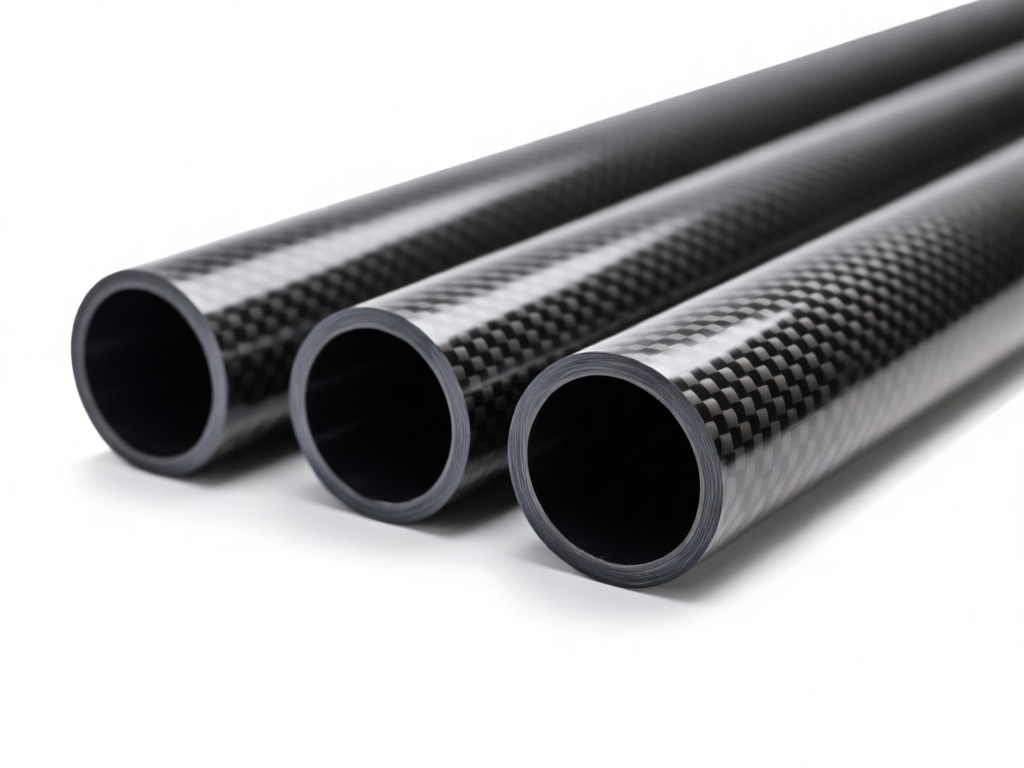
# Fluorocarbon Coating on Carbon Tubes: The Super Anti-Fouling Advantage for Marine Equipment
## Introduction
In the harsh marine environment, equipment faces constant threats from saltwater corrosion, biofouling, and chemical degradation. Carbon tubes, known for their high strength-to-weight ratio, are widely used in marine applications such as heat exchangers, structural components, and piping systems. However, their susceptibility to fouling and corrosion can compromise performance and lifespan. Enter fluorocarbon coating—a game-changing solution that provides super anti-fouling properties, significantly enhancing the durability and efficiency of carbon tubes in marine equipment.
## What is Fluorocarbon Coating?
Fluorocarbon coatings, often based on PTFE (polytetrafluoroethylene) or similar fluoropolymers, are renowned for their exceptional non-stick, low-friction, and chemical-resistant properties. When applied to carbon tubes, these coatings create a robust barrier that repels water, oils, and biological organisms. The coating’s low surface energy prevents adhesion of marine organisms, making it an ideal choice for anti-fouling applications.
### Key Properties of Fluorocarbon Coatings
– **Ultra-low surface energy:** Reduces the ability of foulants to attach.
– **Chemical inertness:** Resists attack from salts, acids, and alkalis.
– **Thermal stability:** Withstands extreme temperatures without degradation.
– **Hydrophobic nature:** Repels water, minimizing biofilm formation.
## The Science Behind Super Anti-Fouling
Biofouling is a major issue in marine environments, leading to increased drag, reduced heat transfer efficiency, and accelerated corrosion. Traditional anti-fouling methods often rely on toxic biocides that harm marine life. Fluorocarbon coatings offer a non-toxic, environmentally friendly alternative by creating a surface that organisms find difficult to adhere to.
### Mechanisms of Anti-Fouling
1. **Surface Energy Reduction:** The low surface energy of fluorocarbon coatings prevents the initial attachment of bacteria and algae.
2. **Smooth Surface:** The coating fills microscopic pores on the carbon tube, creating an ultra-smooth surface that inhibits settlement.
3. **Self-Cleaning Effect:** The hydrophobic surface allows water flow to easily wash away any loosely attached particles.
## Advantages of Fluorocarbon-Coated Carbon Tubes in Marine Equipment
### 1. Enhanced Durability and Corrosion Resistance
Carbon tubes alone can corrode in saltwater, but fluorocarbon coating provides an impermeable barrier that protects against chloride ions and other corrosive elements. This extends the service life of equipment, reducing maintenance costs.
### 2. Superior Anti-Fouling Performance
The super anti-fouling property minimizes the buildup of marine organisms, maintaining optimal flow and heat transfer efficiency. This is particularly critical in heat exchangers, where even a thin layer of fouling can drastically reduce performance.
### 3. Reduced Maintenance and Downtime
With less fouling, cleaning frequency is reduced, leading to lower operational costs and less downtime. The self-cleaning nature of the coating further reduces the need for manual intervention.
### 4. Environmental Compliance
Unlike traditional anti-fouling paints that release biocides, fluorocarbon coatings are environmentally safe. They do not leach toxic substances into the water, making them compliant with strict environmental regulations.
### 5. Improved Hydrodynamic Efficiency
For marine equipment such as propeller shafts or piping, the low friction coefficient of fluorocarbon coatings reduces drag, leading to energy savings and improved overall efficiency.
## Applications in Marine Equipment
Fluorocarbon-coated carbon tubes are used in a variety of marine applications:
– **Heat Exchangers:** Prevent fouling and maintain heat transfer efficiency.
– **Piping Systems:** Resist corrosion and reduce flow resistance.
– **Structural Components:** Protect against environmental degradation.
– **Propulsion Systems:** Reduce drag and improve fuel efficiency.
– **Desalination Plants:** Enhance performance by minimizing scaling.
## Case Study: Fluorocarbon-Coated Carbon Tubes in Heat Exchangers
A ship’s heat exchanger using carbon tubes experienced frequent fouling, requiring monthly cleaning. After applying a fluorocarbon coating, the cleaning interval extended to over a year, with no significant loss in heat transfer efficiency. The coating also protected the tubes from corrosion, extending their lifespan by 50%.
## Conclusion
Fluorocarbon coating on carbon tubes offers a super anti-fouling advantage that is unparalleled in marine environments. By combining the strength of carbon tubes with the protective and non-stick properties of fluorocarbon, marine equipment can achieve greater durability, efficiency, and environmental compliance. As the industry moves towards sustainable solutions, fluorocarbon-coated carbon tubes stand out as a smart investment for any marine application.