## Introduction
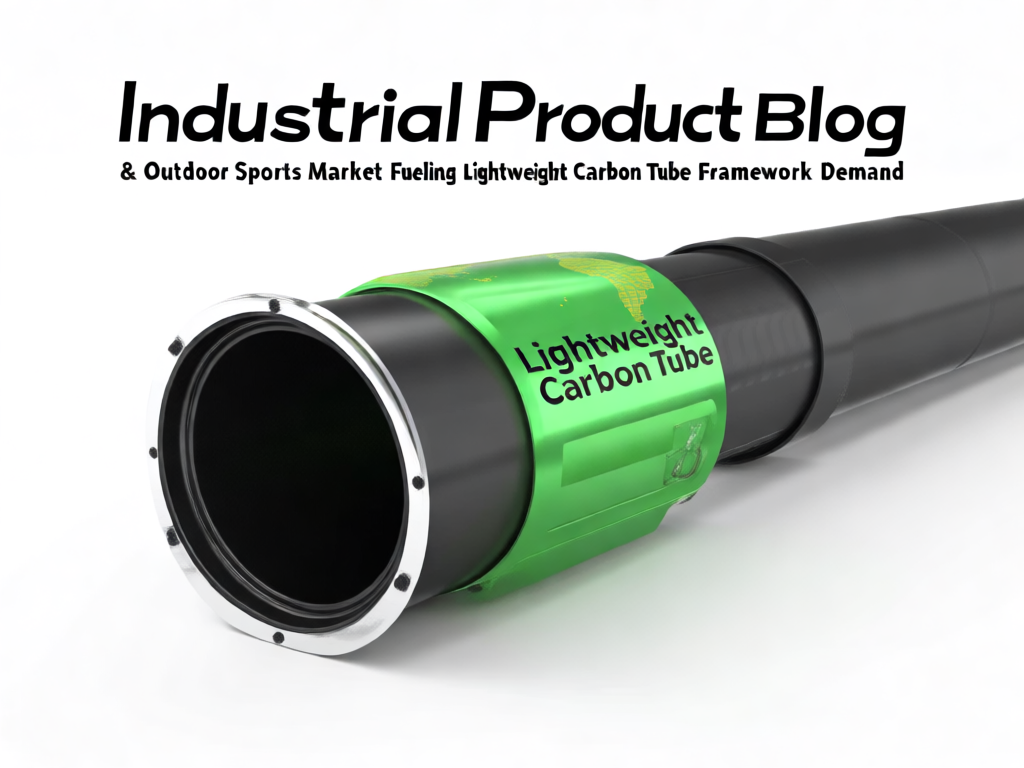
The global camping and outdoor sports market has experienced unprecedented growth over the past decade, driven by a surge in recreational activities, health consciousness, and a collective desire to reconnect with nature. This expansion is not merely a consumer trend; it is a powerful industrial catalyst reshaping material science and manufacturing priorities. Central to this transformation is the escalating demand for lightweight carbon tube frameworks. From high-performance trekking poles and ultralight tents to robust backpack frames and portable furniture, carbon fiber composites are becoming the material of choice. This article delves into the market dynamics fueling this demand, the technical advantages of carbon tubes, and the implications for manufacturers and suppliers worldwide.
## The Explosive Growth of the Outdoor Recreation Sector
The outdoor recreation economy is a formidable global force. According to industry reports, the sector contributes trillions of dollars annually to the global GDP, with camping and hiking experiencing double-digit growth rates in key markets like North America, Europe, and Asia-Pacific. The COVID-19 pandemic acted as a significant accelerant, pushing millions toward socially distanced, nature-based activities. This influx of new enthusiasts has raised the performance bar for gear, creating a fertile ground for advanced materials.
### Shifting Consumer Preferences: Ultralight and Durable
Modern outdoor enthusiasts are no longer satisfied with heavy, bulky equipment. The mantra is “ultralight” without compromising on durability. This shift is particularly evident in backpacking and thru-hiking communities, where every gram counts. A traditional aluminum tent pole set can weigh 500-700 grams, whereas a comparable carbon fiber framework can weigh as little as 300 grams. This weight reduction translates directly to reduced fatigue and increased endurance, making carbon tubes the premium solution for discerning consumers.
## Why Carbon Tube Frameworks Are the Industry Standard
Carbon fiber reinforced polymer (CFRP) tubes are manufactured by pultruding or roll-wrapping carbon fibers with a resin matrix, typically epoxy. The resulting structure offers a unique combination of properties that are ideally suited for outdoor applications.
### Exceptional Strength-to-Weight Ratio
Carbon fiber is renowned for its tensile strength, which is five times that of steel while being only one-third the weight. In tube form, this translates to frameworks that are incredibly rigid and strong, capable of withstanding high winds and heavy snow loads in tents, yet light enough to be carried effortlessly. This ratio is the primary driver for its adoption in high-end camping gear.
### High Stiffness and Dimensional Stability
For applications like trekking poles and camera monopods, stiffness is critical. Carbon tubes exhibit minimal flex under load, providing stable support and precise energy transfer. Unlike metals that can permanently deform, carbon composites maintain their shape, ensuring that a tent frame remains taut and aerodynamic even after repeated use.
### Fatigue Resistance and Longevity
Outdoor equipment is subjected to constant vibration, flexing, and impact. Metals are susceptible to fatigue failure over time, developing micro-cracks that lead to sudden breakage. Carbon fiber, however, has excellent fatigue resistance, outlasting aluminum and steel in cyclic loading scenarios. This longevity is a selling point for premium brands that offer lifetime warranties, reinforcing the value proposition of carbon frameworks.
## Key Applications Driving Demand
The versatility of carbon tube frameworks is showcased across a wide spectrum of outdoor products.
### Tent and Shelter Poles
Perhaps the most significant volume driver is in tent manufacturing. Geodesic and semi-geodesic expedition tents, designed for harsh alpine environments, rely on the strength of carbon poles to withstand severe weather. Even in recreational camping tents, carbon poles are increasingly used for ridge poles and vestibules to reduce overall pack weight. The ability to create pre-curved carbon tubes has also enabled innovative dome designs that maximize interior space and wind stability.
### Trekking Poles and Hiking Staffs
The trekking pole market has seen a massive shift toward carbon. These poles must be lightweight to avoid arm fatigue, yet robust enough to support a hiker’s weight on descents. Carbon’s vibration-dampening properties also reduce joint stress, a major advantage over aluminum. Manufacturers are now producing three-section telescopic poles with carbon shafts that collapse to under 40 cm for easy packing.
### Backpack Frames and Suspension Systems
Internal frame backpacks are essential for multi-day treks. Traditional frames use aluminum stays, but high-end models now incorporate carbon fiber framesheets or vertical stays. These provide excellent load transfer to the hip belt while shaving hundreds of grams. The rigidity of carbon ensures that heavy loads do not sag or shift, improving balance and comfort.
### Camp Furniture and Accessories
Portable camp chairs, tables, and cots are also benefiting from carbon tube construction. A typical camp chair with an aluminum frame weighs around 1.5 kg, while a carbon version can weigh as little as 800 grams. This makes a significant difference for campers who hike to their campsite. Similarly, lightweight carbon masts for hammocks and shade structures are gaining popularity.
## Manufacturing and Supply Chain Considerations
For industrial buyers and manufacturers, the rising demand for carbon tube frameworks presents both opportunities and challenges.
### Raw Material Sourcing and Cost
The primary raw material is carbon fiber tow, which is produced by companies like Toray, Teijin, and Hexcel. While prices have decreased over the years, carbon fiber is still more expensive than aluminum or fiberglass. However, the cost is justified in premium products. Manufacturers are exploring recycled carbon fiber to reduce costs and environmental impact, a trend that is gaining traction in the industry.
### Precision Manufacturing and Quality Control
Carbon tube production requires precise control over fiber orientation, resin content, and curing temperature. Any inconsistency can lead to weak spots or delamination. Advanced manufacturers use automated filament winding and pultrusion lines to ensure uniformity. Quality control involves non-destructive testing methods such as ultrasonic scanning to detect internal flaws. For outdoor gear, impact resistance is critical, so tubes often undergo rigorous drop tests and flexural stress tests.
### Customization and OEM/ODM Services
Outdoor brands often require custom tube diameters, wall thicknesses, and lengths to match their specific product designs. This has led to a growth in specialized carbon tube manufacturers that offer OEM and ODM services. They provide everything from standard round tubes to complex tapered or oval profiles, with various finishes (matte, gloss, or textured) and colors (usually black, but custom colors are possible with painted or wrapped finishes).
## Regional Market Insights
### North America: The Hub of Premium Outdoor Gear
The United States and Canada have a mature outdoor market with a high concentration of premium brands like The North Face, MSR, and Big Agnes. These companies are early adopters of carbon technology, and their demand for high-quality carbon tubes is robust. The trend toward “glamping” (glamorous camping) has also opened a niche for luxury, lightweight furniture and shelters.
### Europe: Innovation and Sustainability
European manufacturers, particularly in Germany, France, and Scandinavia, are leaders in engineering innovation. They are also at the forefront of sustainability, pushing for bio-based resins and recycled carbon fibers. The European market values durability and repairability, which aligns well with carbon’s longevity. Brands like Fjällräven and Salewa are incorporating carbon frames in their high-end backpacks and tents.
### Asia-Pacific: Rapid Expansion and Manufacturing Powerhouse
With a growing middle class and increasing interest in outdoor activities, China, Japan, and South Korea are witnessing rapid market growth. This region is also the world’s largest manufacturing base for carbon fiber products, with numerous factories in China and Taiwan producing tubes for global brands. The cost advantage and scale of production in this region make it a critical link in the supply chain.
## Future Outlook: Innovations and Trends
The future of carbon tube frameworks in the outdoor industry is bright, with several exciting developments on the horizon.
### Integration with Smart Technologies
Carbon tubes can be engineered to incorporate sensors for real-time monitoring of structural health or environmental conditions. For instance, a tent pole could alert users to excessive stress, or a trekking pole could measure distance and heart rate. This integration of IoT (Internet of Things) in outdoor gear is a growing niche.
### Advanced Resin Systems
Thermoplastic resins are being developed to replace thermoset epoxies. They offer faster production cycles, higher impact resistance, and are recyclable. This could address the environmental concerns associated with carbon fiber disposal, making it more attractive to eco-conscious brands.
### 3D Printing and Additive Manufacturing
While not yet mainstream for high-volume production, 3D printing of carbon fiber-reinforced parts is advancing. This technology allows for complex geometries and on-demand manufacturing, reducing waste and inventory costs. For custom, low-volume outdoor equipment, this could be a game-changer.
## Conclusion
The global camping and outdoor sports market is not just growing; it is evolving in sophistication. The demand for lightweight, durable, and high-performance equipment is a direct reflection of consumer expectations. Carbon tube frameworks have emerged as the definitive answer to these demands, offering an unrivaled combination of strength, stiffness, and weight savings. For manufacturers, this represents a clear directive: invest in carbon composite technology, refine production processes, and forge strong supply chain partnerships. As the outdoor industry continues to push boundaries, carbon fiber will remain at the core of innovation, enabling adventurers to explore further and camp lighter. The future is carbon, and the time to act is now.