
## Introduction
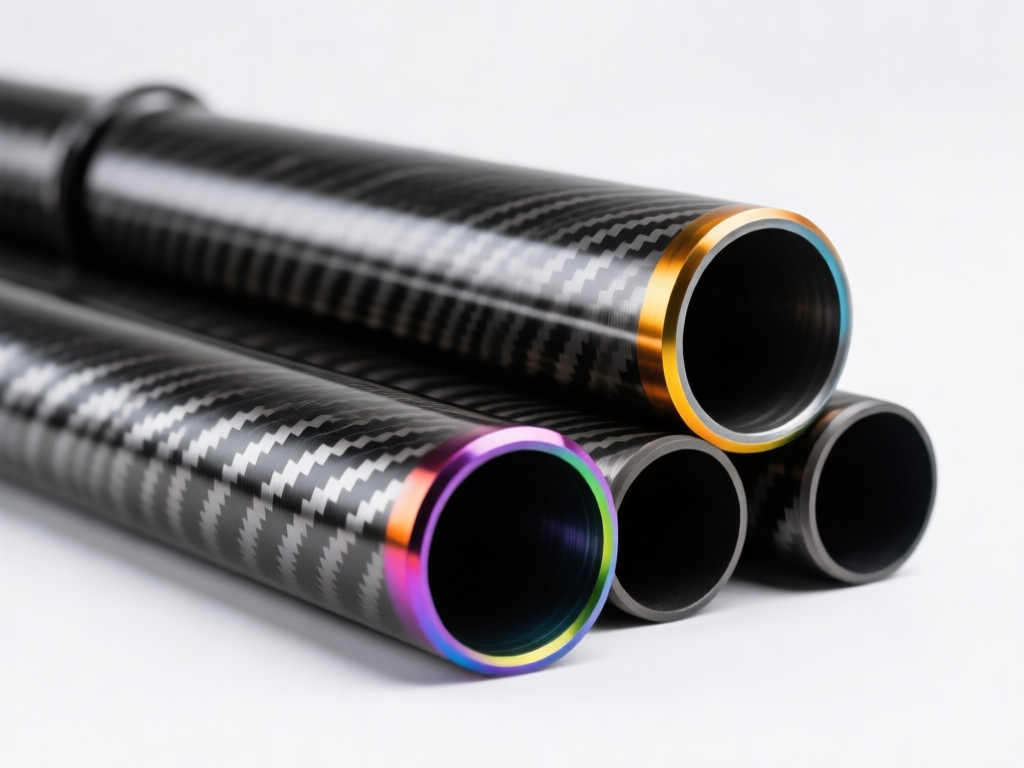
The automotive and consumer goods aftermarket has long been driven by a desire for personalization and performance. For decades, materials like aluminum, steel, and traditional black carbon fiber have dominated the modification scene. However, a new trend is rapidly reshaping the industry: **color decorative carbon tubes**. These vibrant, structurally sound components are transitioning from niche, high-end racing accessories to mainstream consumer aftermarket modification material. This shift is not merely about aesthetics; it represents a convergence of advanced manufacturing, durability, and expressive design that appeals to a broad demographic of enthusiasts.
## The Evolution of Carbon Fiber in Aftermarket
Carbon fiber has always been revered for its exceptional strength-to-weight ratio and high-tech appearance. Yet, its standard black weave limited its application in consumer markets where color and individuality are paramount. The introduction of colored carbon fiber—achieved through specialized resin systems, colored tows, or surface coatings—has broken this barrier. Today, **color decorative carbon tubes** are available in a spectrum of hues, from metallic blues and fiery reds to neon greens and custom-matched pastels, all while retaining the mechanical integrity of traditional carbon composites.
### Why Color Decorative Carbon Tubes Are Gaining Traction
The rise of these tubes can be attributed to several key factors:
1. **Aesthetic Versatility**: Unlike painted metal or plastic, colored carbon tubes offer a unique visual texture—the weave pattern remains visible through the color, providing a depth and sophistication that solid colors cannot replicate.
2. **Lightweight Performance**: They maintain the low weight and high stiffness of conventional carbon fiber, making them ideal for performance-oriented modifications without adding unnecessary mass.
3. **Durability**: The colored resin systems are UV-stabilized and resistant to chipping, scratching, and corrosion, ensuring long-term visual appeal even in harsh environments.
4. **Ease of Integration**: These tubes can be cut, drilled, and bonded using standard carbon fiber techniques, allowing DIY enthusiasts and professional shops to incorporate them seamlessly into various projects.
## Applications in Consumer Aftermarket Modification
The versatility of color decorative carbon tubes has led to their adoption across multiple aftermarket sectors:
### Automotive and Motorcycle Customization
In the automotive world, these tubes are used for roll cages, strut bars, intake ducts, and exhaust tips. Motorcycle enthusiasts employ them for handlebars, footpegs, and frame reinforcements. The ability to color-match a vehicle’s paint scheme or create a striking contrast has made them a top choice for show cars and daily drivers alike.
### Bicycle and E-Bike Upgrades
High-end bicycles and electric bikes are increasingly featuring colored carbon components. Handlebars, seat posts, and frame tubes in vibrant colors allow riders to personalize their rides while benefiting from reduced weight and improved vibration damping.
### Furniture and Home Decor
Beyond vehicles, color decorative carbon tubes are entering the home improvement market. They are used in modern furniture designs—such as chair frames, shelving supports, and curtain rods—offering a futuristic, industrial aesthetic that is both lightweight and robust.
### Sporting Goods and Equipment
From hockey sticks to fishing rods, sporting goods manufacturers and aftermarket modifiers are using colored carbon tubes to create equipment that stands out visually while delivering top-tier performance. The tubes’ resistance to moisture and temperature extremes makes them suitable for outdoor use.
## Manufacturing and Quality Considerations
As demand grows, so does the need for consistent quality. Consumers and professionals must consider several factors when selecting color decorative carbon tubes:
– **Resin System**: High-quality tubes use epoxy resins with color pigments that do not degrade mechanical properties. Inferior products may use polyester resins that are weaker and more prone to fading.
– **Weave Pattern**: The visual appeal depends on the weave consistency. 3K and 12K weaves are common, with 3K offering a finer, more detailed pattern.
– **UV Protection**: Ensure the tubes have a UV-resistant clear coat or colored gel coat to prevent color fading over time.
– **Tolerance and Finish**: Precision manufacturing ensures uniform wall thickness and a smooth, glossy or matte finish, which is critical for structural applications.
## The Future of Colored Carbon Tubes in Aftermarket
The trajectory is clear: color decorative carbon tubes are no longer a novelty but a mainstream material. As manufacturing costs decrease and customization options expand, we can expect to see even broader adoption. Innovations such as multi-color weaves, metallic flake finishes, and even glow-in-the-dark variants are on the horizon, further blurring the line between performance and art.
## Conclusion
The consumer aftermarket modification industry is witnessing a paradigm shift with the rise of color decorative carbon tubes. Their unique combination of lightweight strength, durability, and vivid aesthetics makes them an ideal choice for enthusiasts who refuse to compromise on either form or function. Whether upgrading a sports car, a mountain bike, or a piece of furniture, these tubes offer a modern, high-performance solution that is both practical and visually stunning. As technology advances and consumer tastes evolve, colored carbon tubes are set to remain a dominant force in the world of aftermarket modification.
—
*For manufacturers and retailers, embracing this trend means investing in quality production and offering a diverse color palette to meet the growing demand. For consumers, the message is simple: the future of modification is colorful, and it’s made of carbon.*