
# Introduction
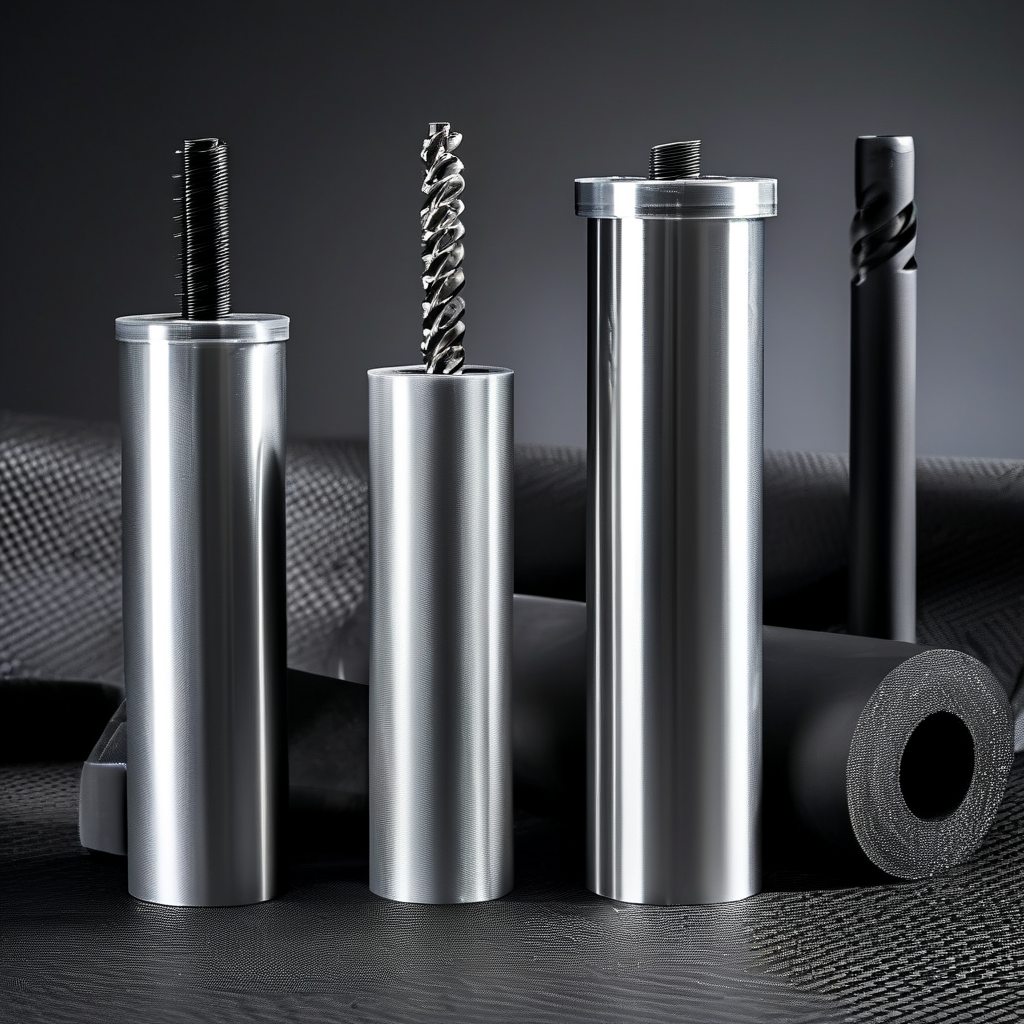
Carbon fiber tubes are prized in industries ranging from aerospace and robotics to sporting goods and automotive for their exceptional strength-to-weight ratio and stiffness. However, despite their durability, these composite structures require specific care to maintain their performance and extend their service life. Unlike metals, carbon fiber can suffer from hidden damage, resin degradation, and surface wear if not properly maintained. This article outlines five essential maintenance tips for daily care and upkeep, ensuring your carbon fiber tubes remain in optimal condition for years.
## 1. Regular Cleaning and Contaminant Removal
### Why Cleaning Matters
Carbon fiber tubes are often exposed to dirt, oils, and chemicals that can degrade the epoxy resin matrix over time. Dust and abrasive particles can scratch the surface, while oils can penetrate micro-cracks and weaken the bond between fibers and resin.
### Best Practices
– Use a soft, lint-free cloth dampened with mild soapy water (pH-neutral) to wipe down the tube after each use.
– For stubborn grime, use isopropyl alcohol (70% or less) sparingly, but avoid soaking the surface.
– Never use harsh solvents like acetone, brake cleaner, or paint thinner, as they can attack the resin.
– Dry the tube thoroughly with a clean cloth to prevent water spots or moisture entrapment.
**Pro Tip:** For tubes used in dusty environments, consider a compressed air blow-down before wiping to remove loose particles.
## 2. Inspect for Surface Damage and Delamination
### The Hidden Threat of Impact
Carbon fiber is strong but brittle; a drop or impact can cause internal delamination that is invisible to the naked eye. Regular inspection is crucial to catch early signs of damage.
### Inspection Routine
– **Visual check:** Look for cracks, chips, scratches, or any whitish areas that may indicate delamination.
– **Tap test:** Gently tap the surface with a coin or small tool. A dull, thudding sound may indicate internal separation, while a crisp, ringing sound suggests integrity.
– **Edge check:** Pay special attention to the cut ends and any drilled holes, as these are stress concentration points.
If damage is suspected, remove the tube from service and consult a composite specialist for ultrasonic testing or repair.
## 3. Proper Storage and Handling
### Avoid Stress and Environmental Degradation
Improper storage can lead to warping, moisture absorption, and unnecessary stress on the tube.
### Storage Guidelines
– Store carbon fiber tubes horizontally on a flat surface or in a dedicated rack, never leaning against a wall where they can bend.
– Keep them away from direct sunlight and UV sources, as prolonged UV exposure can degrade the resin.
– Maintain a stable temperature and humidity (ideally 20-25°C, <60% RH) to prevent moisture ingress. – For long-term storage, wrap tubes in a breathable cloth or use a sealed bag with desiccant if humidity is high. ### Handling Tips – Always handle tubes with clean gloves to avoid transferring oils from your skin. – When clamping or mounting, use rubber-padded clamps to avoid crushing the tube. – Never over-torque fasteners; use a torque wrench with the manufacturer’s recommended values. ## 4. Avoid Overloading and Fatigue ### Respect the Design Limits Carbon fiber tubes are engineered for specific load cases. Exceeding these limits can cause micro-cracking that propagates over time. ### Load Management – Always operate within the rated load and deflection limits provided by the manufacturer. – Avoid sudden impact loads, which can cause catastrophic failure even at low energy. – If the tube is part of a dynamic system, monitor for vibration or resonance that could induce fatigue. – Periodically review the application’s load profile; if conditions change, re-evaluate the tube’s suitability. **Remember:** Carbon fiber does not yield like metal; it fails suddenly. Prevention is the only cure. ## 5. Protective Coatings and Lubrication (Where Applicable) ### Enhancing Surface Durability Some carbon fiber tubes benefit from protective coatings to resist abrasion and UV damage. However, not all tubes require lubrication—only those with moving parts or metal fittings. ### Coating Options – **Clear UV-resistant lacquer:** Provides a sacrificial layer against sunlight and minor scratches. – **Wax or PTFE-based polish:** Can reduce friction and repel water, but ensure compatibility with the resin. – **Paint or gel coat:** Only if the tube is not weight-critical and the manufacturer approves. ### Lubrication for Fittings – For tubes with threaded metal inserts or sliding joints, use a light silicone or PTFE grease on the metal parts, not on the carbon surface. – Avoid petroleum-based lubricants that can degrade the resin over time. **Caution:** Never apply coatings that require high-temperature curing unless the tube is rated for it. # Conclusion Carbon fiber tubes are high-performance components that reward careful maintenance with longevity and reliability. By incorporating these five key points—regular cleaning, thorough inspection, proper storage, load management, and appropriate protective measures—you can prevent premature failure and maintain the structural integrity of your tubes. Remember, daily care is not just about aesthetics; it is about safety and performance. Make these practices a routine part of your operations to get the most out of your carbon fiber investment. For specialized applications, always consult the tube manufacturer for specific maintenance guidelines, as resin systems and fiber orientations can vary. With the right care, your carbon fiber tubes will continue to deliver exceptional service for many years.