
# Introduction
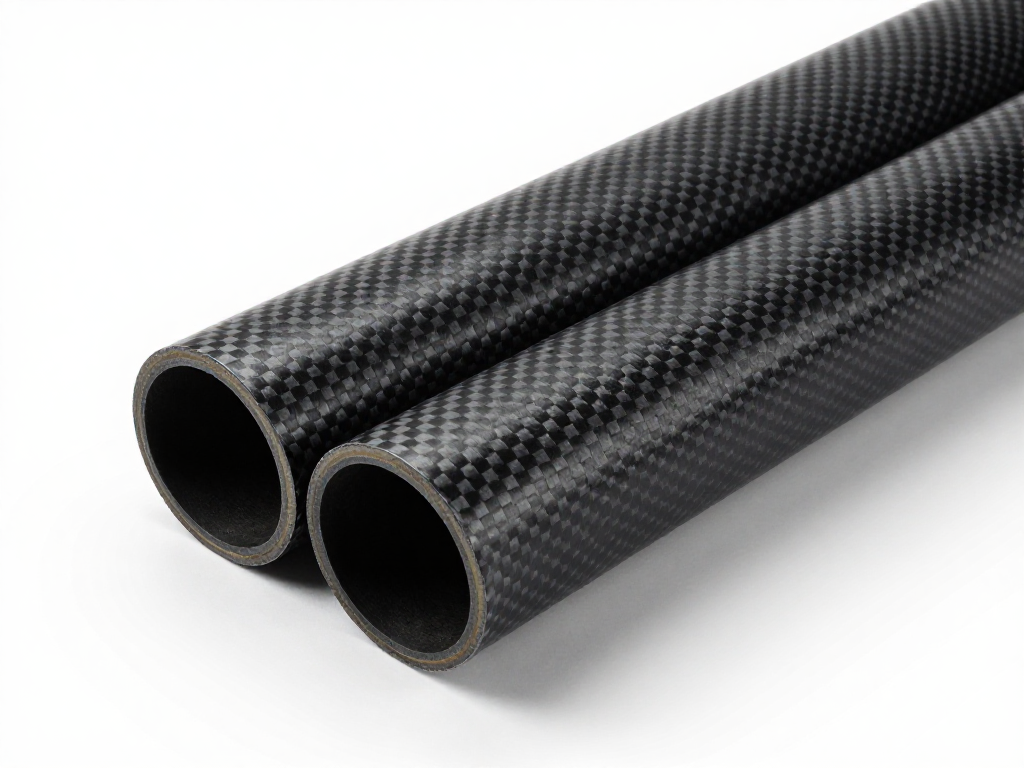
In the rapidly evolving field of robotics, small robots—ranging from compact inspection drones to agile surgical assistants—demand structural components that balance weight, strength, and precision. Carbon fiber tubes have emerged as a preferred material for these applications due to their exceptional stiffness-to-weight ratio and design flexibility. However, selecting the right carbon fiber tube for a small robot is not a trivial task. Engineers must navigate a complex landscape of material properties, manufacturing processes, and application-specific constraints. This article focuses on three core requirements that are critical when choosing carbon fiber tubes for small robots: small diameter, high strength, and easy processability. By understanding these pillars, design engineers can make informed decisions that optimize performance, durability, and manufacturability.
## Why Small Diameter Matters in Small Robot Design
### Space Constraints and Miniaturization
Small robots, by definition, operate in confined spaces. Whether it’s a micro-drone navigating through narrow ducts or a robotic arm performing delicate assembly tasks, every millimeter of space is precious. Carbon fiber tubes with small diameters (typically ranging from 3 mm to 20 mm) allow designers to pack more functionality into a compact footprint. A smaller tube diameter reduces the overall envelope of the robot, enabling it to access tight areas and maneuver with greater agility. Moreover, smaller tubes contribute to lower rotational inertia, which is essential for high-speed, precise movements.
### Weight Reduction and Inertia Control
In small robots, weight is a critical factor. A smaller diameter tube inherently uses less material, which directly translates to lower mass. This reduction in weight not only improves energy efficiency but also reduces the inertial forces that actuators must overcome. For applications like robotic exoskeletons or wearable devices, lower inertia enhances user comfort and responsiveness. Additionally, smaller tubes allow for thinner wall sections, further reducing weight without compromising structural integrity if properly engineered.
### Structural Efficiency and Load Distribution
While small diameter tubes are advantageous for space and weight, they must still provide adequate structural support. The key is to optimize the tube’s cross-sectional geometry and fiber orientation to maximize strength and stiffness within the limited diameter. Modern carbon fiber manufacturing allows for precise control over fiber alignment, enabling tubes to be tailored for specific load paths. For example, a tube with a small diameter but a high modulus fiber can achieve the same stiffness as a larger tube made from standard materials, but with a fraction of the weight.
## High Strength: The Backbone of Reliable Performance
### Understanding Strength in Carbon Fiber Tubes
Strength in carbon fiber tubes is not a single property but a combination of tensile, compressive, and shear strengths. For small robots, which often experience dynamic loads, impacts, and cyclic stresses, the tube must withstand these forces without permanent deformation or failure. High strength is achieved through the selection of premium carbon fibers (e.g., T700, T800) and the use of appropriate resin systems. The fiber volume fraction (typically 60-65%) and the quality of the fiber-matrix bond are crucial determinants of the tube’s overall strength.
### Impact Resistance and Fatigue Life
Small robots are frequently subjected to sudden impacts—for instance, a drone colliding with an obstacle or a robotic arm encountering an unexpected resistance. Carbon fiber tubes with high impact resistance are essential to prevent catastrophic failure. This is often achieved by incorporating toughened epoxy resins or by using hybrid laminates that include a layer of aramid or glass fiber. Additionally, fatigue life is a critical consideration for robots that operate continuously. High-strength carbon fiber tubes, when properly designed, can endure millions of load cycles without significant degradation, ensuring long-term reliability.
### Case Example: High-Strength Tubes in Robotic Arms
Consider a small robotic arm used in electronics assembly. The arm’s links are made from carbon fiber tubes with a diameter of 10 mm and a wall thickness of 1.5 mm. These tubes are manufactured using a unidirectional carbon fiber prepreg with a tensile strength of 4,000 MPa. The arm must repeatedly lift components weighing up to 500 grams at high speeds. The high strength of the tubes ensures that the arm maintains its precision and does not flex excessively, which could lead to positioning errors. This example underscores the importance of selecting a tube with adequate strength for the specific load conditions.
## Easy Processability: Streamlining Manufacturing and Integration
### Machining and Cutting Considerations
Small robot designs often require custom lengths, holes, or slots in carbon fiber tubes. Easy processability means that the tube can be cut, drilled, and machined without causing delamination or fiber fraying. This is influenced by the resin system and the manufacturing method. Tubes made with thermoplastic resins, for instance, are generally easier to machine than those with thermoset resins because they can be re-melted and reshaped. However, thermoset tubes are more common and can be machined effectively with the right tools, such as diamond-coated cutters and specialized drilling techniques.
### Bonding and Joining Techniques
In small robots, carbon fiber tubes often need to be joined to metal fittings, other tubes, or end effectors. Easy processability also encompasses the ability to bond these tubes securely. Surface preparation is critical: the tube’s outer surface may need to be lightly sanded or treated with a primer to enhance adhesive bonding. Alternatively, mechanical fasteners like set screws or clamps can be used, but these may require careful design to avoid stress concentrations. Tubes with a smooth, consistent surface finish are easier to bond and provide a more reliable joint.
### Integration with Sensors and Actuators
Small robots are densely packed with electronics, sensors, and actuators. Carbon fiber tubes must be processable to allow for the integration of these components. For example, a tube might need to have a longitudinal slot to route wires, or a flattened section to mount a motor. Easy processability means that these modifications can be made without compromising the tube’s structural integrity. Advanced manufacturing techniques, such as 3D printing of carbon fiber composites, are also emerging as a way to create tubes with integrated features, but traditional pultruded or rolled tubes remain the most cost-effective for many applications.
## Balancing the Three Core Requirements
### Trade-offs and Optimization
Selecting a carbon fiber tube that simultaneously meets small diameter, high strength, and easy processability often involves trade-offs. For example, a smaller diameter tube may have a lower moment of inertia, but it might also have a reduced wall thickness, which can limit the amount of fiber that can be incorporated, thus reducing strength. Similarly, a tube designed for maximum strength might use a high-modulus fiber that is more brittle and harder to machine. The key is to prioritize the requirements based on the specific application. For a high-precision robotic arm, strength might be paramount, while for a disposable inspection drone, processability and cost might take precedence.
### Material Selection and Manufacturing Methods
The choice of carbon fiber type (standard, intermediate, or high modulus) and the manufacturing process (pultrusion, filament winding, or roll wrapping) greatly influence the balance of properties. Pultruded tubes offer excellent longitudinal strength and are relatively easy to cut, but they have lower transverse strength. Filament-wound tubes provide better multi-directional strength but may have a rougher surface finish. Roll-wrapped tubes are versatile and can be produced with a variety of fiber orientations, but they may require more finishing work. Engineers must work closely with manufacturers to specify the optimal combination.
### Testing and Quality Assurance
To ensure that the selected tube meets all three core requirements, rigorous testing is essential. Mechanical tests (tensile, compressive, and flexural) verify strength, while dimensional checks ensure the diameter and wall thickness are within tolerance. Processability can be assessed through trial machining and bonding tests. Quality assurance protocols, such as ultrasonic inspection, can detect internal defects that might compromise performance. By implementing a comprehensive testing regime, manufacturers can deliver carbon fiber tubes that are reliable and consistent.
## Conclusion
Selecting the right carbon fiber tube for a small robot is a multifaceted decision that hinges on three core requirements: small diameter, high strength, and easy processability. Small diameter enables compact, lightweight designs that are essential for agility and space efficiency. High strength ensures that the tube can withstand the demanding loads and impacts typical of robotic applications. Easy processability facilitates efficient manufacturing, integration, and customization. By carefully balancing these factors and working with experienced material suppliers, engineers can unlock the full potential of carbon fiber in small robot design, leading to innovative and high-performance robotic systems.
As the robotics industry continues to push the boundaries of miniaturization and performance, the demand for specialized carbon fiber tubes will only grow. Staying informed about the latest material advancements and manufacturing techniques will be key to maintaining a competitive edge. Ultimately, the right carbon fiber tube is not just a component—it is a strategic choice that drives the success of the entire robot.