
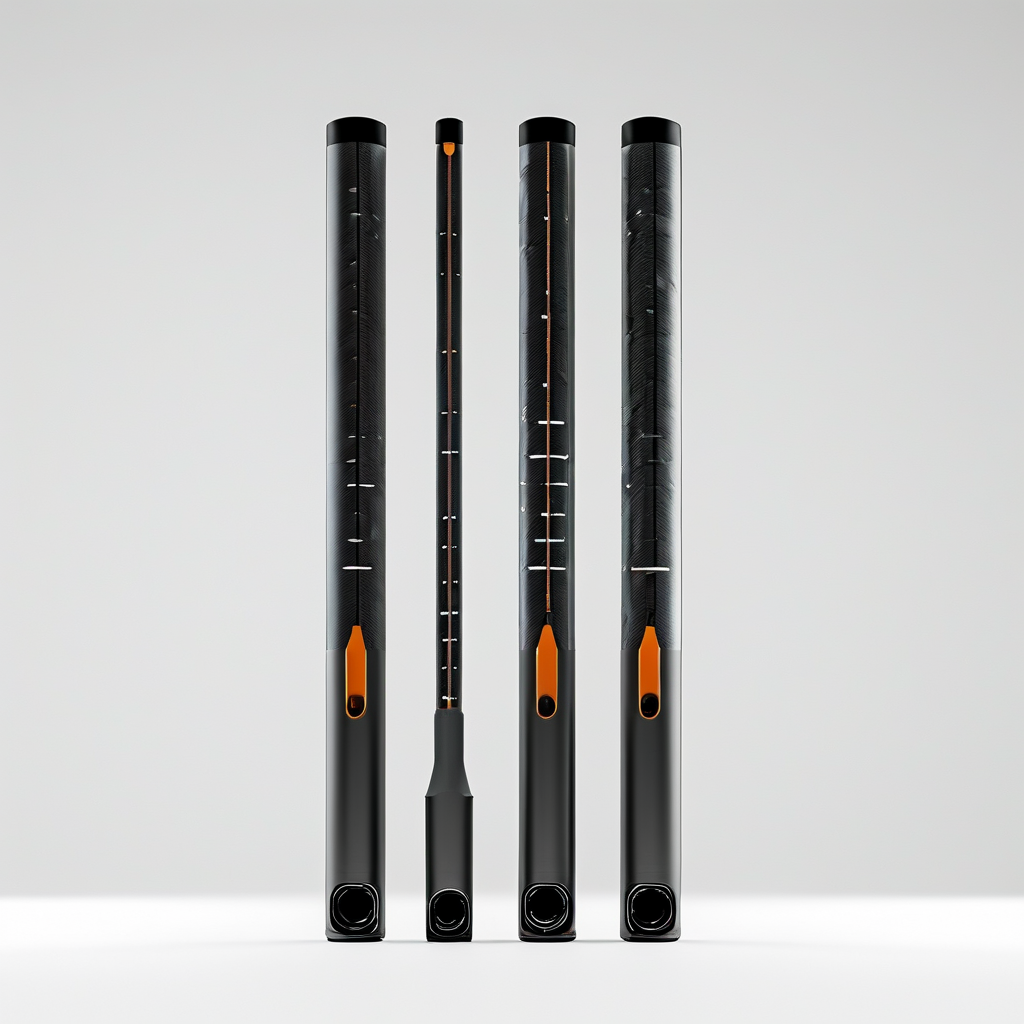
## Introduction
When building a professional drone, the carbon fiber tube is a critical structural component that directly affects flight performance, stability, and durability. However, many procurement engineers and drone enthusiasts fall into common pitfalls—choosing the wrong diameter, ignoring wall thickness, or overlooking manufacturing quality. This guide will walk you through the essential parameters of drone carbon fiber tubes, helping you make informed decisions in just three minutes and avoid costly mistakes.
## Why Carbon Fiber Tubes Matter for Drones
Carbon fiber composites offer an exceptional strength-to-weight ratio, making them ideal for drone arms, landing gear, and gimbal mounts. Unlike aluminum or plastic, carbon fiber tubes provide high stiffness, low thermal expansion, and excellent vibration damping. But not all carbon fiber tubes are created equal. The wrong selection can lead to structural failure, poor flight dynamics, or even mid-air breakage.
## Key Parameters: Diameter and Wall Thickness
### Outer Diameter (OD)
The outer diameter determines the tube’s compatibility with clamps, motor mounts, and other fittings. Common sizes for drone arms range from 12mm to 40mm, but the exact diameter must match your frame design. A tube that is too thin may flex under load, while an oversized tube adds unnecessary weight. Always measure the mounting hardware precisely before ordering.
### Wall Thickness
Wall thickness is equally critical. It influences the tube’s stiffness, impact resistance, and weight. Typical wall thicknesses for drone tubes are between 1.0mm and 3.0mm. Thinner walls (1.0–1.5mm) are lighter but more prone to cracking under high stress. Thicker walls (2.5–3.0mm) offer greater durability but increase weight, reducing flight time. For racing drones, a balance of 1.5–2.0mm is often optimal.
## Material Quality: Not All Carbon Fiber Is Equal
### Carbon Fiber Grade
High-quality tubes use T700 or T800 carbon fiber, which provide superior tensile strength. Lower grades like T300 are cheaper but less rigid. Check the manufacturer’s specification sheet for the fiber type and resin system. A reputable supplier will disclose these details.
### Manufacturing Process
Tubes can be made via pultrusion, roll wrapping, or filament winding. Pultruded tubes have consistent fiber alignment but may lack torsional strength. Roll-wrapped tubes offer better cross-ply strength. Filament-wound tubes are ideal for high-pressure applications. For drone arms, roll-wrapped or filament-wound tubes are generally preferred.
## Common Procurement Pitfalls and How to Avoid Them
### Pitfall 1: Ignoring Tolerances
Carbon fiber tubes are manufactured with specific tolerances. A tube with a loose outer diameter tolerance may not fit securely in clamps, causing vibration or slippage. Always request tolerance data (e.g., ±0.1mm) and verify with calipers upon delivery.
### Pitfall 2: Overlooking Surface Finish
A smooth, matte or glossy finish is not just aesthetic—it affects friction and wear. Rough surfaces can damage O-rings or bearings. Specify the desired surface finish (e.g., 3K gloss) to ensure compatibility with your assembly.
### Pitfall 3: Neglecting Load Requirements
Calculate the maximum load your drone will experience, including motor thrust, payload, and flight maneuvers. Use this data to determine the required flexural modulus and impact strength. A tube that works for a lightweight FPV drone may fail on a heavy-lift platform.
### Pitfall 4: Choosing the Wrong Length
Carbon fiber tubes are often sold in standard lengths (e.g., 500mm, 1000mm). Cutting them yourself can introduce splintering or delamination. If you need custom lengths, order pre-cut tubes from the supplier to ensure clean edges.
## How to Verify Tube Quality Before Purchase
### Request Samples
Always ask for a sample piece before placing a bulk order. Test it for weight, stiffness, and surface consistency. A simple bend test can reveal weak spots.
### Check Certifications
Look for ISO 9001 or AS9100 certifications, which indicate quality management systems. Also, ask for material test reports (MTR) showing tensile strength and modulus values.
### Inspect the Cross-Section
A high-quality tube should have a uniform, void-free cross-section. If possible, cut a small piece and examine it under magnification. Voids or resin-rich areas indicate poor manufacturing.
## Diameter and Wall Thickness Selection Chart
| Application | Outer Diameter (mm) | Wall Thickness (mm) | Recommended Fiber Grade |
|————-|———————|———————-|————————-|
| Mini FPV Racing Drone | 12–16 | 1.0–1.5 | T700 |
| Medium Camera Drone | 20–25 | 1.5–2.0 | T700/T800 |
| Heavy-Lift Industrial Drone | 30–40 | 2.5–3.0 | T800 |
## Conclusion
Selecting the right carbon fiber tube for your drone is a straightforward process if you focus on diameter, wall thickness, material quality, and manufacturing tolerances. By avoiding common pitfalls and verifying supplier credentials, you can ensure structural integrity and optimal flight performance. Remember, a few extra minutes of research can save you from costly replacements and safety hazards. Use this guide as your quick reference, and always prioritize quality over price.
For more detailed specifications, consult with your tube manufacturer and request a custom solution tailored to your drone’s unique requirements.