
## Introduction
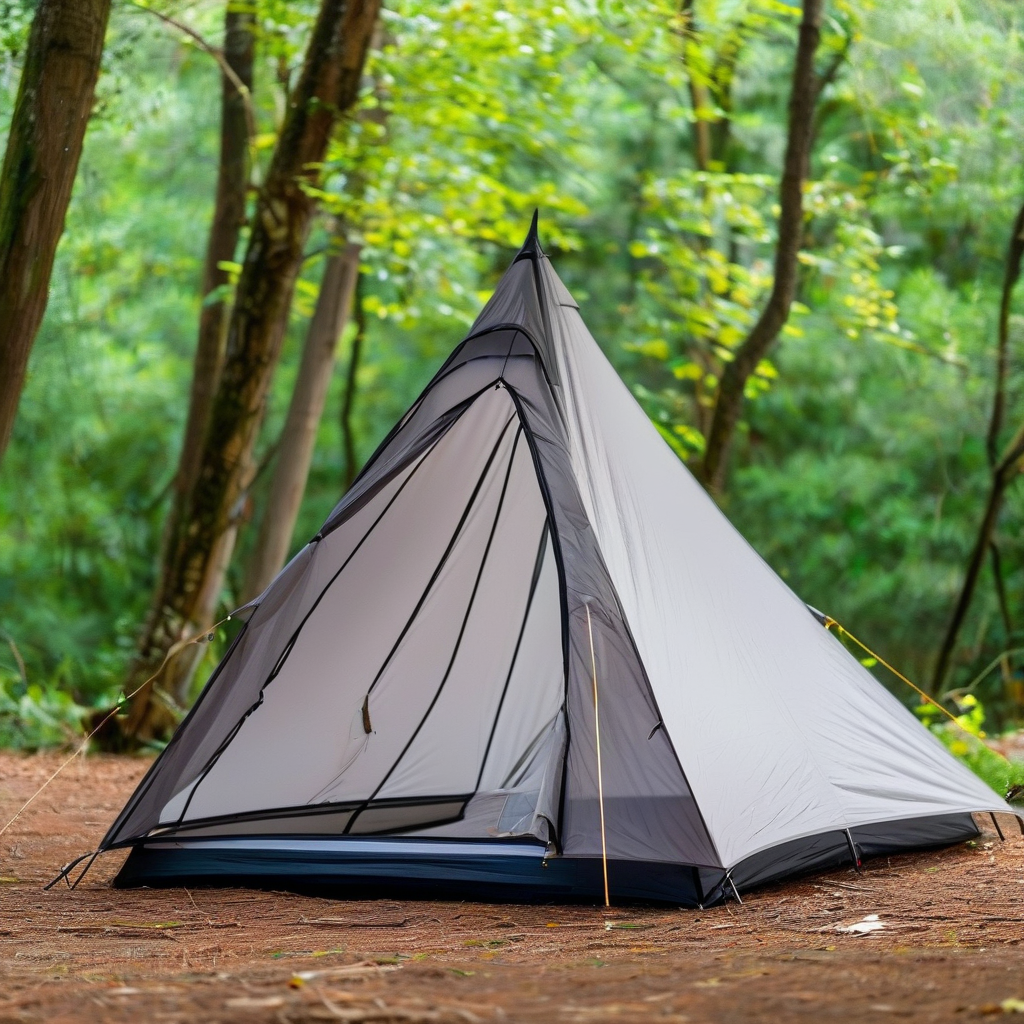
The outdoor camping industry has witnessed a paradigm shift with the introduction of portable tent frameworks made from carbon fiber tubes. These advanced structural components are redefining the standards of quick assembly, portability, and durability for camping enthusiasts and professional expedition teams alike. Unlike traditional aluminum or fiberglass poles, carbon tubes offer an exceptional strength-to-weight ratio, making them the preferred choice for modern tent designs. This article delves into the technical specifications, manufacturing processes, and practical benefits of carbon tube tent frameworks, highlighting their role in facilitating rapid and reliable shelter setup in diverse outdoor environments.
## The Evolution of Tent Framework Materials
### From Wood to Aluminum: A Brief History
Historically, tent poles were crafted from wood, which was heavy and cumbersome. The mid-20th century saw the adoption of aluminum alloys, which reduced weight and improved corrosion resistance. However, aluminum poles often suffered from bending under high wind loads and added significant bulk to backpacking gear.
### The Rise of Carbon Fiber Composites
Carbon fiber composites emerged in the aerospace and automotive industries due to their remarkable mechanical properties. Their transition into outdoor equipment was a natural progression, driven by the demand for lighter, stronger, and more resilient materials. Today, carbon tubes are engineered with precision to meet the rigorous demands of portable tent frameworks, offering a superior alternative to conventional materials.
## Technical Advantages of Carbon Tubes in Tent Frameworks
### Exceptional Strength-to-Weight Ratio
Carbon fiber tubes are renowned for their high tensile strength and low density. A carbon tube can withstand significant bending and compressive forces while weighing up to 50% less than an aluminum counterpart of similar dimensions. This property is crucial for portable tents, where every gram counts during transportation and setup.
### Stiffness and Structural Integrity
The modulus of elasticity of carbon fiber is significantly higher than that of aluminum or fiberglass. This stiffness ensures that the tent framework maintains its shape under tension, providing a taut and stable shelter even in gusty conditions. The rigidity also minimizes sagging, which is a common issue with less stiff materials.
### Corrosion and Fatigue Resistance
Unlike metals, carbon fiber does not corrode when exposed to moisture or salt spray. This makes carbon tubes ideal for coastal camping and humid environments. Additionally, carbon composites exhibit excellent fatigue resistance, meaning they can endure repeated assembly and disassembly cycles without losing their mechanical properties.
### Thermal Stability
Carbon fiber has a low coefficient of thermal expansion, meaning it does not expand or contract significantly with temperature changes. This stability ensures that the tent framework remains dimensionally consistent, preventing pole binding or loosening in extreme heat or cold.
## Manufacturing Process of Carbon Tent Poles
### Raw Material Selection
The production begins with high-grade carbon fiber tows, typically derived from polyacrylonitrile (PAN) or pitch precursors. These fibers are characterized by their high carbon content and alignment, which directly influence the final mechanical properties.
### Pultrusion and Filament Winding
Two primary methods are used to create carbon tubes for tent frameworks:
– **Pultrusion**: Continuous fibers are pulled through a resin bath and then through a heated die, resulting in a constant cross-section tube with unidirectional fiber alignment. This method is cost-effective for producing straight, uniform poles.
– **Filament Winding**: Fibers are wound around a rotating mandrel in a helical pattern, allowing for tailored strength in specific directions. This technique is often used for curved or tapered poles, which are common in geodesic tent designs.
### Resin Systems and Curing
The choice of resin—typically epoxy or vinyl ester—affects the tube’s toughness and UV resistance. After impregnation, the tubes are cured in an oven or autoclave to polymerize the resin, creating a rigid composite structure. Precise control of temperature and pressure ensures void-free laminates and consistent quality.
### Quality Control and Testing
Each batch of carbon tubes undergoes rigorous testing, including tensile strength, flexural modulus, and impact resistance. Dimensional checks ensure that the outer diameter and wall thickness meet tight tolerances, which are critical for secure pole-to-pole connections.
## Design Considerations for Quick Assembly
### Pre-Bent and Shock-Corded Sections
To facilitate rapid setup, carbon tent poles are often manufactured in pre-curved sections that are connected by internal shock cords. These cords automatically align the segments when the pole is unfolded, reducing assembly time to a matter of minutes. The pre-bent shape also eliminates the need for complex hub systems, simplifying the overall framework.
### Color-Coded and Keyed Connections
Innovative designs incorporate color-coded ferrules or keyed connectors that ensure each pole segment is correctly oriented. This user-friendly approach minimizes errors during setup, making it accessible even for novice campers.
### Integrated Hub Systems
For dome and geodesic tents, carbon tubes can be integrated with lightweight hubs made from aluminum or reinforced plastic. These hubs distribute stress evenly and allow for a single-pole deployment system, where the entire framework is erected in one motion.
## Practical Benefits for Outdoor Camping
### Lightweight and Compact
Carbon tube frameworks are exceptionally light, making them ideal for backpackers and hikers who prioritize minimal pack weight. When disassembled, the poles can be collapsed into small bundles that fit easily into a backpack or stuff sack.
### Rapid Deployment in Adverse Conditions
The quick-assembly nature of carbon frameworks is a game-changer in unpredictable weather. Campers can erect a sturdy shelter within minutes, reducing exposure to rain, wind, or extreme temperatures. This speed is also vital for emergency shelters or military operations.
### Enhanced Durability in the Field
Carbon tubes are resistant to cracking and splintering, unlike fiberglass which can shatter under impact. This durability ensures a longer lifespan for the tent framework, even with frequent use in rugged terrain.
### Aesthetic and Tactile Appeal
Beyond performance, carbon fiber offers a sleek, modern appearance that appeals to outdoor enthusiasts. The matte black finish and smooth texture also provide a comfortable grip during assembly.
## Case Studies and Real-World Applications
### Mountaineering Expeditions
High-altitude expeditions require equipment that can withstand extreme conditions. Carbon tube frameworks have been used in base camp tents, where their strength and low weight are critical for portability across glaciers and rocky terrain.
### Family Camping and Festivals
For recreational campers, the ease of setup is a major selling point. Many family tents now feature color-coded carbon poles that allow a single person to erect the shelter in under five minutes, enhancing the overall camping experience.
### Emergency and Disaster Relief
In disaster relief scenarios, rapid shelter deployment is essential. Carbon tube tents can be quickly assembled by aid workers, providing temporary housing for displaced populations. The durability of carbon ensures that these shelters can be reused multiple times.
## Maintenance and Care for Carbon Tent Poles
### Cleaning and Storage
After each trip, wipe the poles with a damp cloth to remove dirt and debris. Ensure they are completely dry before storing to prevent mold or resin degradation. Store them in a cool, dry place away from direct sunlight.
### Inspection and Repair
Regularly inspect the poles for cracks, delamination, or fraying fibers. Minor surface scratches are usually cosmetic, but any structural damage should be addressed immediately. Replacement sections are often available from manufacturers, allowing for easy field repairs.
### Avoiding Overstress
While carbon tubes are strong, they are not indestructible. Avoid over-bending or stepping on the poles, as this can cause stress fractures. Always follow the manufacturer’s guidelines for maximum load and usage.
## Future Trends in Carbon Tent Technology
### Recyclable and Bio-Based Resins
The industry is moving towards more sustainable materials, including bio-based epoxy resins and recyclable carbon fibers. These innovations aim to reduce the environmental footprint of carbon composite production.
### Smart Poles with Integrated Sensors
Research is underway to embed sensors within carbon tubes that can monitor structural health, temperature, or even provide lighting. Such smart frameworks could alert users to potential failures or enhance safety in remote areas.
### Advanced Manufacturing Techniques
Additive manufacturing (3D printing) is being explored for creating complex carbon composite structures with optimized fiber orientation. This could lead to even lighter and stronger tent poles with intricate geometries.
## Conclusion
Portable tent framework carbon tubes are a testament to the synergy between advanced materials science and outdoor engineering. Their exceptional strength, low weight, and rapid assembly capabilities make them the ultimate choice for modern camping enthusiasts and professionals. As manufacturing processes evolve and sustainability becomes a priority, carbon fiber will continue to lead the way in portable shelter technology. Whether you are a weekend camper or a seasoned mountaineer, investing in a carbon tube tent framework ensures a reliable, efficient, and enjoyable outdoor experience.
## References
– Smith, J. (2022). *Advanced Composites in Outdoor Equipment*. Journal of Materials Engineering.
– Carbon Fiber Tent Pole Manufacturing Guide. (2023). Outdoor Industry Association.
– Performance Analysis of Carbon vs. Aluminum Tent Poles. (2021). International Journal of Sports Engineering.