
# Introduction
In the competitive world of printing, speed and precision are paramount. As presses run faster and wider, every component in the drivetrain must evolve to meet the demands of high-speed operation. One critical innovation is the use of lightweight transmission carbon tube shafts. These advanced components replace traditional steel or aluminum shafts, offering a unique combination of low inertia, high stiffness, and excellent vibration damping. This article explores the engineering benefits, design considerations, and operational advantages of carbon tube shafts in modern printing machinery.
## The Need for Lightweight Transmission in Printing
Printing presses, especially those for packaging, labels, and newspapers, operate at speeds exceeding 1,000 feet per minute. At such velocities, the rotational inertia of the drivetrain directly impacts acceleration, deceleration, and registration accuracy. Heavier shafts require more torque to spin up and slow down, leading to energy waste and increased wear on motors and gears. Lightweight carbon tube shafts reduce inertia, allowing faster response times and smoother speed changes, which is essential for high-speed, high-quality printing.
## What Are Carbon Tube Shafts?
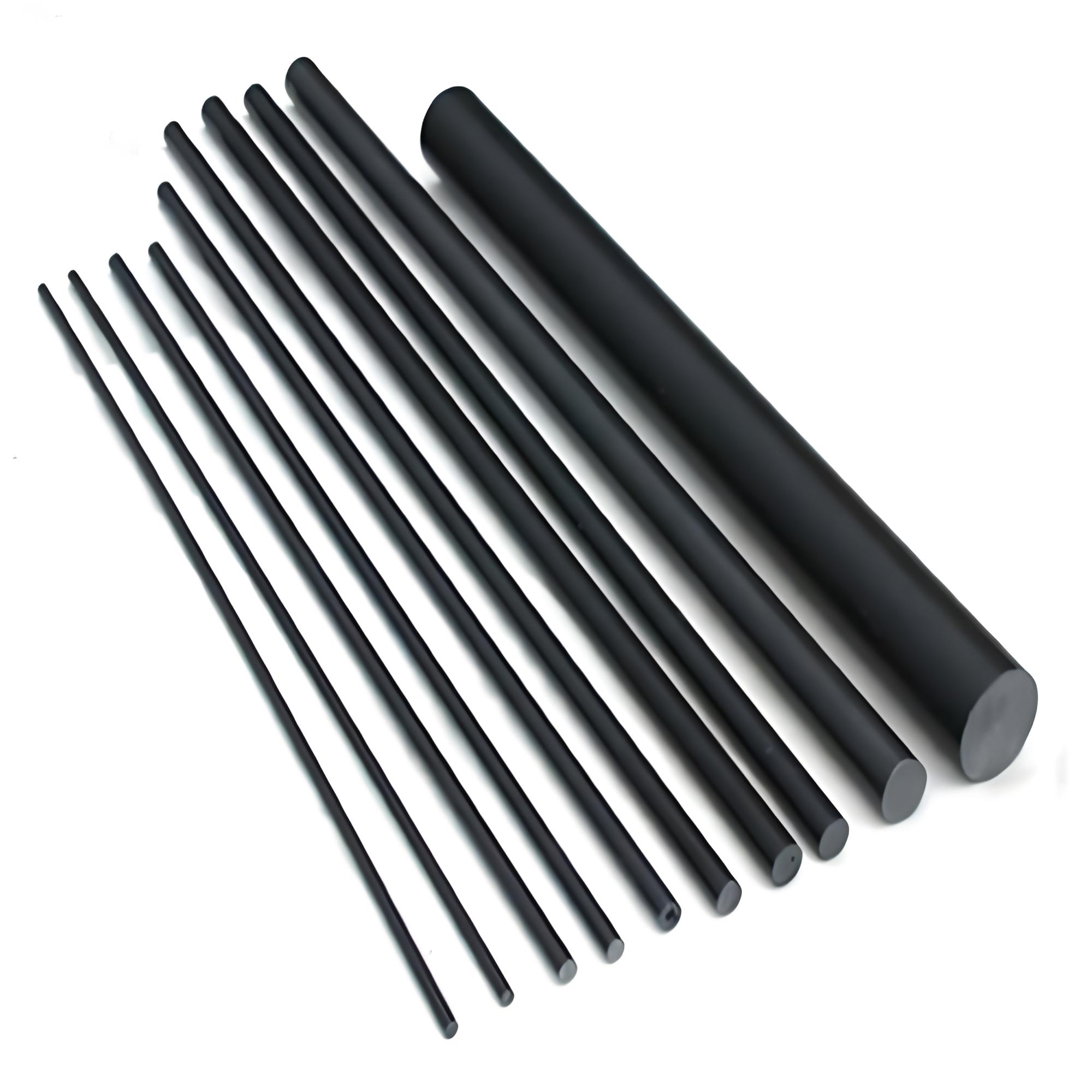
Carbon tube shafts are cylindrical components made from carbon fiber reinforced polymer (CFRP). They are manufactured by wrapping continuous carbon fibers around a mandrel in a specific orientation, then curing them with epoxy resin. The result is a tube that is exceptionally strong in torsion and bending, yet weighs only a fraction of an equivalent steel shaft. These shafts can be engineered with varying wall thicknesses, fiber angles, and diameters to meet specific torque and speed requirements.
## Key Benefits for High-Speed Printing
### Reduced Rotational Inertia
The most significant advantage is the dramatic reduction in rotational inertia. A carbon tube shaft can weigh up to 70% less than a steel shaft of the same stiffness. This lower inertia enables faster acceleration and deceleration, which is critical for intermittent motion in sheet-fed presses and for quick job changes in web presses.
### Enhanced Vibration Damping
Carbon fiber has natural damping properties that absorb vibrations better than metals. In high-speed printing, vibrations can cause misregistration, blurring, and premature bearing failure. Carbon tube shafts help stabilize the drivetrain, leading to sharper print quality and longer component life.
### High Stiffness and Torsional Strength
Despite being lightweight, carbon tubes offer high specific stiffness. They can transmit torque without excessive twisting, maintaining accurate synchronization between rollers and cylinders. This torsional rigidity is vital for maintaining consistent print registration across the web.
### Corrosion and Fatigue Resistance
Carbon composites are inherently resistant to corrosion and do not suffer from metal fatigue in the same way as steel. This makes them ideal for environments with inks, solvents, and humidity, reducing maintenance and downtime.
## Design Considerations for Carbon Tube Shafts
### Fiber Orientation and Layup
The mechanical properties of a carbon tube shaft are determined by the orientation of the carbon fibers. For torsionally loaded shafts, fibers are typically oriented at ±45° to the shaft axis to maximize shear strength. Additional layers at 0° and 90° can be added to increase bending stiffness and hoop strength. The layup schedule must be carefully designed to match the torque and speed profile of the printing machine.
### Connection and Coupling Methods
Carbon tube shafts require specially designed end fittings. Since carbon cannot be welded, metal flanges or couplings are bonded or mechanically fastened to the tube ends. These connections must be robust to handle high torque without slipping. Common methods include adhesive bonding, keyed joints, or splined connections, each with its own torque capacity and ease of installation.
### Balancing and Critical Speed
At high speeds, even small imbalances can cause severe vibration. Carbon tube shafts must be dynamically balanced to within tight tolerances. Additionally, the shaft’s critical speed—the speed at which it resonates—must be calculated and kept above the operating range. The low mass and high stiffness of carbon tubes allow for higher critical speeds than metal shafts, making them safer for high-speed operation.
### Thermal Expansion
Carbon fiber has a near-zero coefficient of thermal expansion, unlike metals that expand with heat. This dimensional stability is beneficial in printing, where temperature changes can affect registration. However, it also means that connections with metal components must accommodate differential expansion to avoid stress.
## Applications in Printing Machinery
### Web Offset Presses
In web offset printing, carbon tube shafts are used in the infeed, chill rolls, and folder sections. Their low inertia allows precise tension control, reducing web breaks and waste.
### Gravure and Flexographic Presses
These presses often have long print units with multiple rollers. Carbon tube shafts help maintain uniform tension and reduce vibration, improving print quality on flexible packaging materials.
### Sheet-Fed Presses
In sheet-fed presses, carbon shafts are used in the feeder and delivery systems. The reduced inertia enables faster sheet transport and more accurate registration, especially at high speeds.
## Installation and Maintenance Best Practices
Proper installation is crucial to realize the benefits of carbon tube shafts. Always follow manufacturer guidelines for torque values when tightening couplings. Avoid overloading the shaft beyond its rated torque. Regularly inspect the shaft surface for impact damage or delamination, which can compromise structural integrity. Because carbon is conductive, ensure proper grounding to prevent static electricity buildup, which can attract dust and affect print quality.
## Cost-Benefit Analysis
Carbon tube shafts are more expensive upfront than steel shafts. However, the total cost of ownership is often lower due to reduced energy consumption, less wear on bearings and gears, and decreased downtime. For high-speed presses, the improvement in productivity and print quality can justify the investment within a short payback period.
## Future Trends
As printing speeds continue to increase, the demand for even lighter and stiffer shafts will grow. Advances in carbon fiber manufacturing, such as automated fiber placement and out-of-autoclave curing, are making carbon tube shafts more affordable and customizable. Additionally, the integration of sensors into carbon shafts for real-time torque and vibration monitoring is an emerging trend, enabling predictive maintenance and further optimizing performance.
# Conclusion
Lightweight transmission carbon tube shafts are a game-changer for high-speed printing machinery. Their low inertia, high stiffness, and excellent damping properties directly contribute to faster operation, better print quality, and reduced maintenance. While the initial cost is higher, the long-term benefits make them a wise investment for modern printing operations. As technology advances, carbon tube shafts will become even more integral to the future of high-speed printing, helping manufacturers stay competitive in a demanding market.